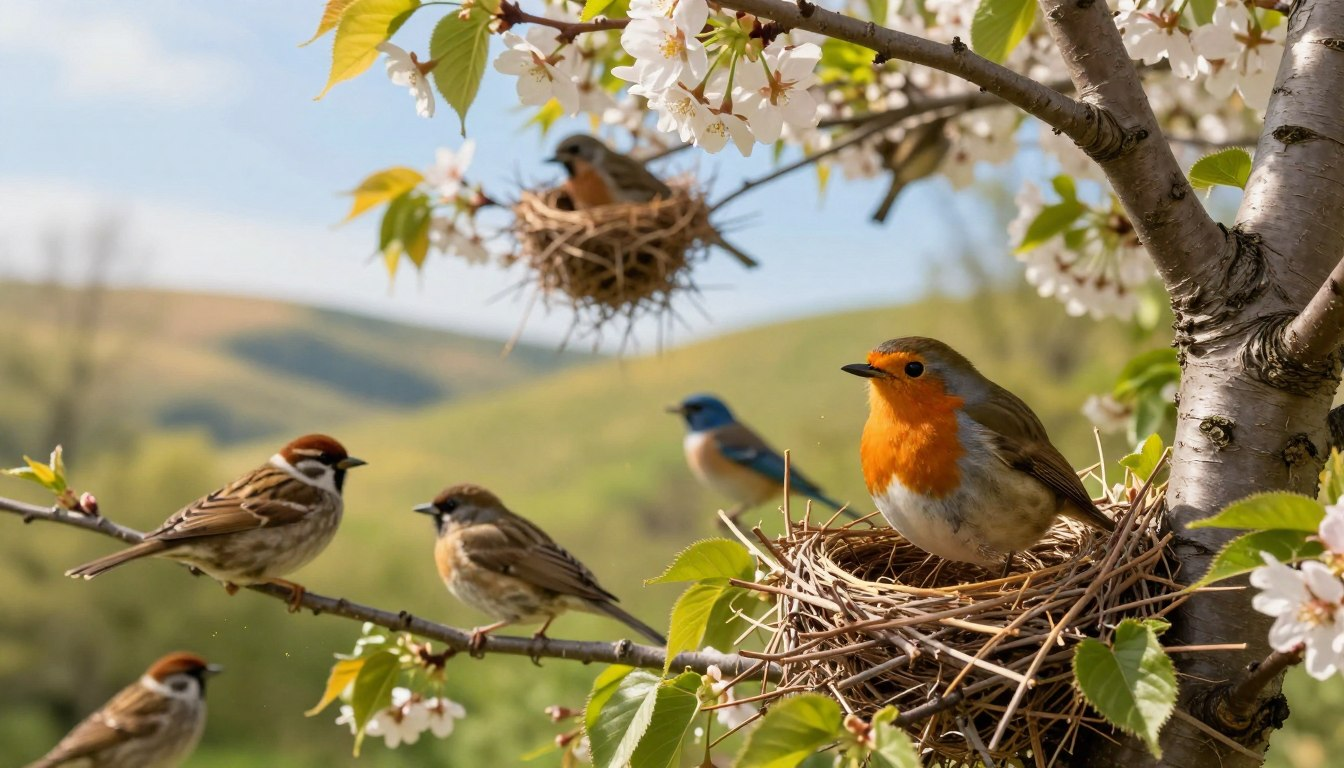
When do birds nest in spring: month-by-month timeline by region

John Muir once said, “In every walk with nature, one receives far more than he seeks.” Spring is a great time to see birds nesting. Knowing bird nesting season helps us understand their lives better.

The time when birds nest changes a lot in different places. Having a month-by-month timeline is key. It makes birdwatching better and helps us plan outdoor activities wisely.

Exploring birds shows us how they nest changes with the seasons. Knowing bird nesting patterns by region helps us see their world better. It shows how birds, their homes, and the environment are connected.

The Spring Awakening: Why Birds Nest in Warmer Months

When spring comes, the world outside comes alive. Birds get ready for their most important task: nesting. This isn’t just a coincidence. It’s because of special signals in their bodies that tell them it’s time to nest.

Biological Triggers for Nesting Behavior

Many things influence when birds decide to nest. Daylight hours and temperature are key. When days get longer and it gets warmer, birds know it’s time to start nesting.

The Role of Daylight Hours and Temperature

More daylight and warmer weather are key for spring nesting behaviors. These changes tell birds that it’s a good time to raise their young.

  • Longer days mean more time to find food and care for their babies.
  • Warmer weather means more food and better chances for their chicks to survive.

Knowing about these triggers helps us understand bird nesting better. It also shows how we can help birds in our backyards.

The Bird Nesting Cycle Explained

Learning about the bird nesting cycle helps us understand their spring behaviors. It shows the important steps birds take to reproduce.

Courtship and Mate Selection

The cycle starts with courtship and finding a mate. Birds sing, show off their feathers, and do special dances to attract a partner. These actions help them form strong bonds for the nesting period.

Nest Site Selection and Construction

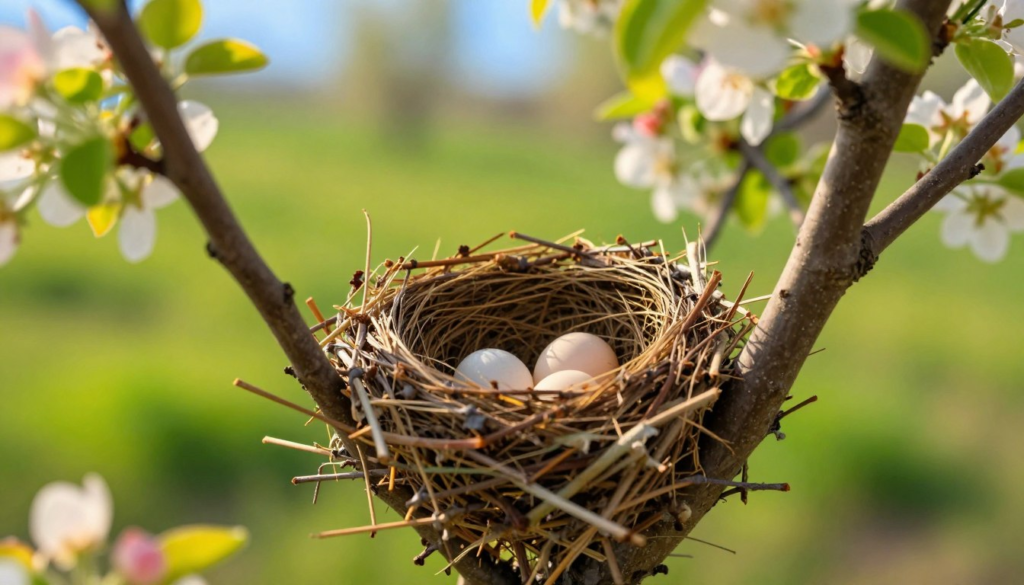
Once paired, birds look for and build their nests. Choosing the right spot is key for safety and success. They use twigs, grasses, and mud to build, hiding them from predators.

Egg-Laying and Incubation Periods

After the nest is ready, females lay eggs. Both parents then take turns keeping the eggs warm. This time is vital for the eggs to grow.

Hatching and Fledgling Development

When the eggs hatch, parents feed and protect the young ones. This stage is when the young birds grow and learn to fly. They become independent during this time.

StageDescriptionDuration
CourtshipMate selection and pair bondingVariable
Nest BuildingSelection and construction of nest1-2 weeks
IncubationEgg incubation by parents2-4 weeks
Fledgling CareCare and feeding of young until they fledge2-4 weeks

When Do Birds Nest in Spring: Timing Patterns Across Species

As spring comes, birds start nesting at different times. This depends on where they live, the weather, and if they stay all year or migrate.

Year-Round Residents vs. Migratory Birds

Year-round birds like cardinals and chickadees nest early. Migratory birds, such as warblers and orioles, nest later after they migrate.

Early Season Nesters (February-March)

Some birds, like great horned owls and red-winged blackbirds, nest in February or March. They nest early because of mild winters or to prepare for their young.

Mid-Season Nesters (April-May)

Robins and blue jays nest in April and May. This is when more birds migrate and start breeding.

Late Season Nesters (June-July)

Goldfinches and some sparrows nest in June or July. They wait for plants to grow, giving better food and shelter for their young.

Nesting CategoryMonthsExamples of Bird Species
Early Season NestersFebruary-MarchGreat Horned Owls, Red-winged Blackbirds
Mid-Season NestersApril-MayRobins, Blue Jays, Warblers
Late Season NestersJune-JulyGoldfinches, Sparrows

January-February: The Earliest Nesters Get Started

early bird nesting

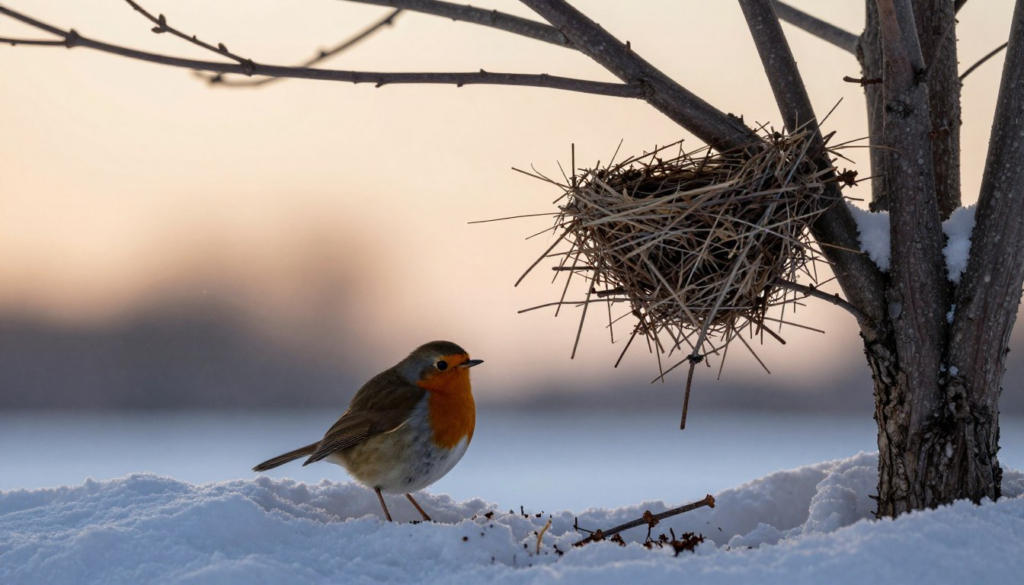
While most birds wait for spring, some start early. Great Horned Owls begin their breeding in late winter. This is the start of the nesting season for some.

Great Horned Owls and Early Raptors

Great Horned Owls start nesting as early as January. Other birds like Bald Eagles and Red-tailed Hawks also start nesting then. They prepare their nests for the breeding season.

Southern States: First Signs of Nesting Activity

In the southern United States, birds nest earlier because it’s warmer. Mourning Doves and American Robins may start building nests. The mild winters give them a head start.

Preparing for Returning Migrants

Even though some birds are nesting, many have not returned yet. January and February are key for getting ready for them. Make sure your backyard has food and shelter for when they come back.

March: First Major Wave of Nest Building

March is when winter starts to go away. It’s a big time for birds to start building nests. Birds in different places start their nesting at different times.

Southern Region: Full Nesting Mode

In the Southern United States, March is when many birds nest. The warm weather lets them start breeding and nesting early.

Midwest and Northeast: Early Cavity Nesters

In the Midwest and Northeast, early nesters appear. Woodpeckers and chickadees get ready to nest in trees or boxes.

Western Region: Desert and Coastal Species

In the Western United States, March is special for desert and coastal birds. Desert birds like cactus wrens and coastal birds like osprey start nesting.

Notable March Nesters by Family

March is a big month for many bird families to nest. Here are some examples:

Bird FamilyNotable SpeciesNesting Characteristics
RaptorsRed-tailed Hawks, Great Horned OwlsLarge nests in trees or on cliffs
WaterfowlDucks, GeeseGround nests or in vegetation near water
SongbirdsRobins, Blue JaysTree nests, often with twigs and mud

In March, you’ll see more birds getting ready to nest. Learning about their nesting habits helps us appreciate their springtime bird activities more.

April: Peak Nesting Season Across Most Regions

In April, birds all over the United States are busy nesting. The warmer weather means it’s a great time for bird watchers. They get to see birds start their nesting rituals.

Northeast and New England Nesting Activity

In the Northeast and New England, April is a busy time for birds. Species like the American Robin and Red-winged Blackbird start making nests. The Cornell Lab of Ornithology says, “April is a critical month for nesting birds in the Northeast, with many species initiating their breeding activities.”

“April is a critical month for nesting birds in the Northeast, with many species initiating their breeding activities.”

Cornell Lab of Ornithology

Southeast and Gulf Coast Species

The Southeast and Gulf Coast see many birds nesting in April. Migratory birds like the Ruby-throated Hummingbird come back. They start their breeding cycles in the warm weather.

Midwest and Great Plains Patterns

In the Midwest and Great Plains, April brings migratory songbirds. Birds like the Yellow Warbler and Baltimore Oriole start building nests. The area’s prairies and woodlands are perfect for their homes.

Mountain West and Pacific Northwest Timeline

The Mountain West and Pacific Northwest have a later nesting season. In April, birds move to higher places to nest. Species like the Mountain Bluebird and Clark’s Nutcracker start their breeding in the forests and meadows.

Southwest and California Nesting Behaviors

In the Southwest and California, April is very busy for birds. Desert birds like the Cactus Wren and Gila Woodpecker build their nests. The mild weather lets them have a longer breeding season.

Watching birds in April shows how different their nesting ways are. Knowing these patterns helps us appreciate their lives more.

May: The Height of Nesting Activity Nationwide

May is when birds all over the country are busy with their nests. The weather gets warmer and days longer. This means birds are building homes for their babies.

Late-Arriving Migrants Begin Nesting

In May, birds like warblers and flycatchers show up. They travel far and come when food is plentiful.

Second Broods for Early Nesters

Some birds have a second family in May. This happens if they had a first family early and it was successful.

Warblers, Vireos, and Flycatchers

May is a good time to see warblers, vireos, and flycatchers. They nest in thick plants. But, you can hear their songs and calls.

Regional Highlights and Species Spotlights

Every area has its own bird species and nesting ways. For example, the Northeast gets many warblers. The Southwest sees lots of flycatchers and vireos.

RegionNotable SpeciesNesting Activities
NortheastWarblers, SparrowsNesting in dense vegetation, often near water bodies
SouthwestFlycatchers, VireosNesting in trees and shrubs, utilizing local vegetation
Gulf CoastSeabirds, ShorebirdsNesting on beaches, islands, and coastal wetlands

Knowing these differences helps us see how diverse nesting habits of birds are across the country.

June: Continuing Nesting Activity and Second Broods

bird nesting in spring

June brings the bird nesting season into full swing, mainly in northern areas and high elevations. This month, many bird species are busy nesting. Different places have their peak times for nesting.

Northern Regions Reach Peak Activity

In June, the Northeast, New England, and parts of the Midwest see their peak nesting. Birds like warblers, vireos, and flycatchers are nesting a lot. The longer days and warmer weather are perfect for raising their young.

Multiple Broods in Southern Regions

The Southeast and Gulf Coast have already seen a lot of nesting in earlier months. In June, these areas are either raising second broods or continuing with first ones. Birds like the Northern Cardinal and American Robin often have more than one brood here.

High Elevation and Arctic Nesters

June is also key for birds nesting at high elevations and in the Arctic. As snow melts, species like the Ptarmigan and some shorebirds start nesting. These places, though tough due to harsh weather, are special homes for these birds.

RegionPeak Nesting TimeCommon Nesting Species
Northern RegionsJuneWarblers, Vireos, Flycatchers
Southern RegionsApril-May, with second broods in JuneNorthern Cardinal, American Robin
High Elevation/ArcticJune-JulyPtarmigan, Shorebirds

A famous ornithologist once said, “The variety in nesting times shows how complex and interesting bird reproduction is.” This variety shows how adaptable birds are and how they use different strategies to survive.

Popular Backyard Birds and Their Nesting Calendars

Learning about the nesting times of backyard birds makes bird-watching better. Each bird species nests at different times, based on where they live and their own traits. Knowing when birds nest helps you enjoy watching them more.

American Robin (March-July)

The American Robin starts nesting early, sometimes in March. They love to hunt for earthworms in lawns. Robins usually have two to three broods each year.

Northern Cardinal (April-August)

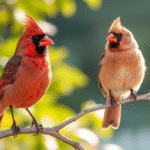
Northern Cardinals live in backyards all year and nest from April to August. They are known for their bright colors and sweet songs. Cardinals often have multiple broods, with the female laying eggs in a cup-shaped nest.

Chickadees and Titmice (April-June)

Chickadees and Titmice nest in cavities and use nest boxes. Their nesting season is from April to June. These birds are great at climbing and often visit bird feeders.

Finches and Sparrows (April-August)

Finches and Sparrows have different nesting times. Many nest between April and August, with some having more than one brood. They often nest in shrubs or trees.

Hummingbirds (Region-Dependent)

Hummingbirds nest at different times in different places. In warmer areas, they may nest in February. In cooler places, it might be June. Hummingbirds usually lay two eggs in a tiny nest.

By knowing when birds nest, you can make your backyard better for them. Whether you’re watching migratory birds nesting or supporting local birds, understanding their nesting times makes watching them more enjoyable.

How Different Bird Families Time Their Nesting

bird nest building time

Birds from different families nest at different times. Each family has its own way of adapting to its environment. Things like food, predators, and weather play big roles in when they nest.

Raptors: Hawks, Eagles, and Owls

Raptors like hawks, eagles, and owls nest early in spring. They use nests in trees or on cliffs. Nesting early helps them hunt better.

Woodpeckers and Cavity Nesters

Woodpeckers and birds like bluebirds nest in late spring. They make or use holes in trees for safety.

Songbirds: Thrushes, Warblers, and Sparrows

Songbirds like thrushes, warblers, and sparrows nest at different times. Some start in March, while others wait until May or June.

Waterbirds: Herons, Egrets, and Shorebirds

Waterbirds like herons, egrets, and shorebirds nest near water. Their timing depends on water levels and food availability.

Bird FamilyTypical Nesting TimeNesting Characteristics
RaptorsEarly SpringTree or cliff nests, hunting success-dependent
Woodpeckers and Cavity NestersLate SpringCavity excavation, protected from predators
SongbirdsVaries (March-June)Diverse nesting times, often shrub or tree nests
WaterbirdsSpring-SummerColony nesting, near water bodies

Each bird family has its own nesting time. This helps them fit into their environment. Knowing this can make birdwatching more fun and interesting.

Supporting Nesting Birds in Your Backyard

Turning your backyard into a bird-friendly spot can really help nesting birds. As the bird breeding season starts, your yard can become a key place for local birds.

Creating Bird-Friendly Habitats

To help nesting birds, you need to create a good habitat. This means planting native plants, providing shelter, and making sure there’s water. Native plants are great because they offer food and shelter for birds.

Providing Nesting Materials

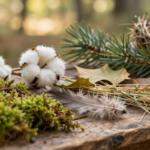
Offering the right nesting materials can encourage birds to nest in your yard. You can give them twigs, grasses, and moss. Make a special area for these materials so birds can easily find them.

Nest Box Placement and Timing

When putting up nest boxes, where and when you place them matters a lot. Put boxes in a safe and sunny spot, about 3 to 10 feet off the ground. Face them east to southeast to avoid too much sun. Install them in late winter to early spring, when birds start nesting.

When to Intervene (and When Not To)

It’s important to know when to help if you see nesting birds in trouble. Usually, it’s best to watch from afar and not disturb the nest. But, if you see danger like predators, you might need to act to protect the birds.

By following these tips, you can make your backyard a great place for nesting birds. This will help them succeed during the breeding season.

Conclusion

Understanding bird nesting seasons is key to helping birds. By knowing when birds nest in spring, you can make your backyard bird-friendly. This helps these birds to do well.

Each bird species has its own nesting habits. They differ in when they build nests and when their babies leave. Knowing these habits lets you help various birds in your backyard. You can give them what they need, like nesting materials or nest boxes.

Supporting birds during nesting season helps them and the environment. A welcoming habitat means more birds survive. This also makes ecosystems healthier.

Learning about bird nesting can really help birds. Whether you love birds or are just starting to watch them, your help matters. Your efforts can make a big difference for birds.

FAQ

Q: When do birds typically start nesting in spring?

A: Birds start nesting in spring early in southern states, like January or February. In other places, it peaks in March, April, and May.

Q: What triggers birds to start nesting in warmer months?

A: Birds start nesting when daylight gets longer and it gets warmer. These changes signal it’s time to breed.

Q: How long does the bird nesting cycle last?

A: The nesting cycle can last from a few weeks to months. It depends on the bird species.

Q: Do all bird species nest at the same time?

A: No, different birds nest at different times. Some start early, others later. Some even have more than one brood.

Q: How can I support nesting birds in my backyard?

A: To help nesting birds, create a bird-friendly space. Provide nesting materials and install nest boxes in the right spot and time.

Q: What is the best time to put up nest boxes?

A: The best time to put up nest boxes varies. It’s usually late winter or early spring, before the breeding season starts.

Q: How can I identify if a bird is nesting in my yard?

A: Look for signs like nest building, birds carrying materials, or territorial behavior. These signs mean birds are nesting in your yard.

Q: What should I do if I find a bird’s nest with eggs or chicks?

A: If you find a nest with eggs or chicks, leave it alone. Many bird species are protected by laws against disturbing their nests.

Q: Can I attract specific bird species to nest in my yard?

A: Yes, you can attract certain birds by creating the right habitat and food. Use nest boxes designed for specific species.

Q: How do migratory birds time their nesting?

A: Migratory birds nest when they arrive at their breeding grounds. The timing varies by species and migration patterns.

Q: What are some common nesting behaviors exhibited by birds?

A: Birds show nesting behaviors like building nests, laying eggs, and caring for young. They also display territorial and mate attraction behaviors.

Leave a Comment