DIY squirrel baffle that actually stops raids

“The clearest way into the Universe is through a forest wilderness.” – John Muir. Birdwatching is a joy for many. But, squirrels often raid bird feeders, driving away our feathered friends.

To solve this problem, making a homemade squirrel baffle is a good idea. It helps keep your bird feeders safe. This way, you can enjoy nature’s beauty without squirrels bothering you.

It’s not hard to learn how to make a squirrel baffle. It’s a clever way to outsmart these pesky critters. In this article, we’ll show you how to make a DIY squirrel baffle that really works.

The Squirrel Problem: Why Your Bird Feeders Need Protection

Squirrels jumping to your bird feeder can ruin a peaceful bird-watching session. They find feeders easy to get to and often visit them. This can turn a calm activity into a frustrating one.

How Squirrels Damage Feeders and Steal Seed

Squirrels damage bird feeders by eating the seed and trying to get to it. They chew through materials and knock feeders over. Wildlife experts say squirrels are persistent and can quickly figure out how to get to feeders.

The Remarkable Persistence and Agility of Squirrels

Squirrels are very agile and never give up. Eli Haislip said, “They’re very persistent, and they’re very good at two things: climbing and jumping. If you take those away from them, there’s not much they can do.” This shows why we need good ways to stop them from climbing and jumping to the feeder.

Jumping Capabilities

Squirrels can jump over 8 feet in one leap. This lets them jump from trees to your bird feeder. You need a squirrel deterrent that can stop their jumping.

Climbing Skills

Squirrels are also great climbers. They can climb smooth surfaces like metal and plastic. A squirrel proof bird feeder must stop them from climbing.

To keep squirrels away from your bird feeder, understand their behavior and skills. Knowing their persistence and agility helps you secure your feeder. This way, you can enjoy watching birds without squirrels bothering you.

The Science Behind Effective Squirrel Baffles

DIY squirrel baffle

To keep squirrels away from your bird feeders, you need to know how squirrel baffles work. A good baffle can make a big difference. It can keep your bird feeder squirrel-free.

Disrupting Squirrel Movement Patterns

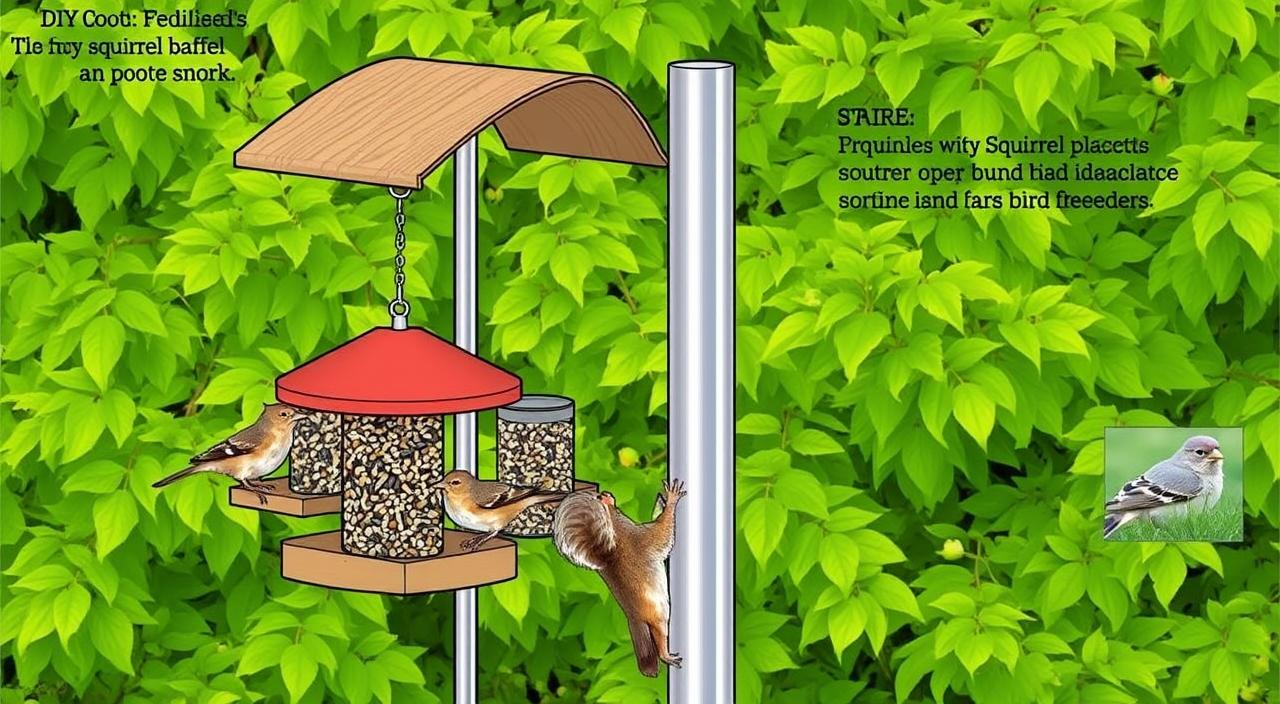
Squirrel baffles stop squirrels from climbing or jumping to the bird feeder. A baffle’s success depends on its design and where it’s placed. For example, a baffle above the feeder stops squirrels from jumping down. A baffle below stops them from climbing up.

As Robert Pierce notes,

“The idea behind a baffle is that squirrels cannot get past it, though they often do.”

This shows how important a good baffle design is. Squirrels are quick and determined. So, a baffle must be strong enough to stop them.

Key Design Elements That Actually Work

So, what makes a squirrel baffle effective? Here are some key design elements:

  • Size and Shape: A small baffle can be easily bypassed by a determined squirrel. A larger, curved or cone-shaped baffle works better.
  • Material: The baffle’s material is key. A smooth, durable material like metal or plastic stops squirrels from getting a grip.
  • Placement: Where you put the baffle matters a lot. It should block squirrels from jumping or climbing around it.
Baffle DesignEffectivenessDurability
Cone-ShapedHighHigh
Cylinder-ShapedMediumMedium
Dome-ShapedHighHigh

Why Commercial Baffles Often Fail

Many commercial squirrel baffles don’t work as promised. Poor design and cheap materials are common reasons. A flimsy or small baffle can’t stop a determined squirrel.

When picking or making a squirrel baffle, focus on what works. Knowing the science behind effective baffles helps you make a DIY baffle that meets your needs.

DIY Squirrel Baffle Options for Different Setups

Making a homemade squirrel baffle is easy and works well to keep squirrels away from bird feeders. It’s important to pick a design that fits your feeder setup. Whether your feeder is on a pole or hanging, there’s a DIY baffle for you.

Pole-Mounted Baffle Designs

Pole-mounted baffles are perfect for feeders on poles. They stop squirrels from climbing up to the feeder.

Cone Baffles

Cone baffles are a favorite for pole-mounted feeders. Made from strong materials like metal or plastic, they fit on the pole below the feeder. Their shape keeps squirrels from climbing over.

A bird enthusiast says, “Cone baffles are great for keeping squirrels out. They’re simple to put up and really work.”

“Making cone baffles at home is easy. You can use metal sheets or big plates.”

Cylinder Baffles

Cylinder baffles are also good for pole-mounted feeders. They’re a tube that goes around the pole, stopping squirrels from climbing.

  • Easy to install
  • Highly effective
  • Can be made from a variety of materials

Hanging Baffle Solutions

Hanging baffles are for feeders hung from trees or hooks. They keep squirrels from reaching the feeder from nearby branches.

Dome Baffles

Dome baffles are perfect for hanging feeders. Made from strong plastic or metal, they hang above the feeder. Their shape stops squirrels from jumping up.

Baffle TypeFeeder TypeEffectiveness
ConePole-MountedHigh
CylinderPole-MountedHigh
DomeHangingHigh
DiskHangingMedium

Disk Baffles

Disk baffles are simple and work well for hanging feeders. They’re a flat disk hung above or below the feeder. This stops squirrels from jumping up.

Key Considerations: When picking a DIY squirrel baffle, think about your feeder type, the material you want, and how much protection you need.

Materials and Tools for Your DIY Project

Starting your DIY squirrel baffle project means first picking the right materials and tools. The right stuff will help your baffle last through weather and squirrel tricks.

Essential Materials List

Choosing the right materials is key for a squirrel baffle that works well. You need stuff that can handle the weather.

Weather-Resistant Options

It’s important to pick materials that can stand up to the weather. Think about using:

  • Stainless steel or aluminum for the frame
  • Durable plastics or PVC for the baffle itself
  • Waterproof coatings or sealants to protect against rain and snow

Recycled Material Possibilities

Using recycled materials can save money and help the planet. You can try:

  • Old metal drums or containers
  • Recycled plastic sheets or pipes
  • Repurposed wood or pallets

Required Tools

Having the right tools is as important as the materials. You’ll need:

  • Drill or screwdriver for assembly
  • Saw or cutting tool for shaping materials
  • Pliers and wrenches for securing parts
  • Measuring tape and level for accurate installation

Budget Considerations and Cost-Saving Tips

Building a DIY squirrel baffle can save you money, thanks to recycled materials. Here’s a cost estimate:

MaterialEstimated Cost
Stainless Steel Frame$20-$50
Durable Plastic$10-$30
Recycled Materials$0-$10
Tools and Fasteners$10-$20
Total$40-$110

By picking the right materials and watching your budget, you can make a great squirrel baffle. It will keep your bird feeders safe without costing too much.

Step-by-Step Guide to Building a Cone Baffle

To keep squirrels away from your bird feeders, try making a cone baffle. It’s easy to do and uses common materials. This DIY project will help protect your feeders from sneaky squirrels.

Preparing Your Materials

First, collect what you need for your cone baffle. You’ll need aluminum or PVC for the cone and sturdy wire or metal rod for mounting. Make sure you have a work surface, measuring tape, scissors or a metal cutter, and drill ready.

Measuring and Cutting the Perfect Shape

Eli Haislip says getting the measurements right is key. Cut out a cone shape from your material. It should be 24 inches in diameter to keep squirrels out. Use a template for a smooth shape and smooth edges.

Assembly Process with Detailed Instructions

Shape the cone and hold it together with wire or metal rod. Drill holes for the mounting hardware. Attach the baffle to a pole or wire, making sure it’s centered and secure. Place it at least 4 feet above and below the bird feeder, as Eli Haislip suggests.

Weatherproofing and Finishing Touches

Apply a weatherproof coating to make the baffle last longer. Check it often for damage and fix it if needed. With these steps, you’ll have a DIY squirrel baffle that keeps your feeders safe.

By following these steps, you can enjoy watching birds without squirrels bothering you. A well-made cone baffle is a simple way to solve this problem. With the right materials and setup, you’ll have a homemade squirrel baffle that works great.

Creating an Effective Cylinder Baffle From Scratch

Want to keep squirrels away from your bird feeders? A homemade cylinder baffle is a great idea. It wraps around the pole or wire, stopping squirrels from climbing or jumping to the feeder.

Selecting the Right Diameter and Length

The size of your baffle matters a lot. It should be at least 12 inches wide to keep squirrels out. It also needs to be 3 to 4 feet long to cover any jumping spots.

Material Preparation Techniques

Choose materials that last and won’t get wet. Metal or heavy-duty plastic are good choices. Cut it to size and make sure it fits snugly around the pole or wire.

Assembly and Mounting Hardware Installation

Putting the baffle together means wrapping it around the pole or wire. Use strong clamps or brackets to keep it in place. Make sure it can handle the weather and any squirrel tries to move it.

Testing for Stability and Squirrel-Resistance

After you put it up, check if it works well. Michael Mengak says watching how squirrels try to get past it can help you make it better. Adjust it if needed to keep squirrels out.

By following these steps and understanding squirrel behavior, you can make a great cylinder baffle. It will keep your bird feeders safe and make bird-watching better in your backyard.

DIY Squirrel Baffle Installation Techniques

To keep squirrels away from your bird feeder, installing a DIY baffle correctly is key. A well-set-up baffle can keep squirrels out, making sure your bird feeders stay safe.

Proper Height and Placement Guidelines

Where you put your squirrel baffle matters a lot. Eli Haislip says to hang it between 4 and 5 feet off the ground. This height stops squirrels from jumping over it.

Pole-Mounted Feeder Considerations

For feeders on poles, make sure the baffle is at least 4 feet high. It should be right in the middle of the pole. This stops squirrels from using it to jump.

Hanging Feeder Requirements

For hanging feeders, the baffle needs to be above the feeder. It should be at least 5 feet away from any place squirrels can jump from.

Securing Your Baffle Properly

It’s important to keep your baffle in place. Use strong materials and make sure all parts are securely attached. This keeps it from moving due to squirrels or the weather.

Critical Installation Mistakes to Avoid

Don’t make the mistake of putting the baffle too low or near places squirrels can jump from. Make sure it fits your feeder right and is installed correctly. This way, it works best to keep squirrels out.

By following these tips, you can set up a DIY squirrel baffle well. This will help protect your bird feeders from squirrel attacks.

Troubleshooting and Improving Your Baffle Design

Fixing your squirrel baffle is key to keeping bird feeders safe. Even a good baffle can’t stop all squirrels. Knowing when it fails and how to fix it is important.

Signs That Squirrels Are Defeating Your Baffle

If squirrels still raid your bird feeders, your baffle isn’t working. Look for these signs:

  • Squirrel fur or scratch marks on the baffle
  • Seed spilled around the feeder
  • Squirrels observed jumping over or climbing around the baffle

Common Failure Points and How to Fix Them

Baffles often fail because they’re the wrong size, not installed right, or made of weak materials. Here’s how to fix these problems:

  1. Make sure your baffle is big enough to stop squirrels from jumping over.
  2. Check that the baffle is installed at the right height and distance from the feeder.
  3. Use strong materials that can handle weather and squirrel damage.

Modifications for Particular Determined Squirrels

As Robert Pierce said, not all squirrels are the same. Some need special deterrents. For the most determined squirrels, you might need to change your baffle design.

Size Adjustments

Making your baffle bigger can help. A bigger baffle is harder for squirrels to get past.

Surface Modifications

Changing the baffle’s surface can also help. Use slippery materials or add texture to make it hard for squirrels to climb.

By fixing your baffle’s weaknesses and making improvements, you can make a better squirrel barrier. This keeps your bird feeders safe and your backyard a bird-friendly place.

Maintaining Your DIY Baffle for Long-Term Protection

Keeping your DIY squirrel baffle in good shape is key. It helps keep squirrels away from your bird feeders. This makes sure birds have a safe place to eat.

Seasonal Maintenance Requirements

Regular checks are needed to keep your DIY squirrel baffle working well.

  • Look for any damage like cracks or rust.
  • Clean it to get rid of dirt, debris, or mold.
  • Make sure the mounting hardware is tight and adjust if needed.

Weather Damage Prevention

Weather can harm your DIY squirrel baffle.

  • Use a weather-resistant coating to protect it from rain and snow.
  • Choose materials that won’t rot or rust when building or fixing your baffle.

When to Replace Components

It’s important to know when to replace parts of your DIY squirrel baffle.

  • Swap out any damaged or worn-out parts to keep the baffle strong.
  • Think about updating your baffle design if squirrels keep finding ways around it.

By following these tips, your DIY squirrel baffle will keep protecting your bird feeder from squirrels for a long time.

Conclusion

You’ve started bird-watching and now squirrels are a problem. Building a DIY squirrel baffle is a simple fix. It keeps squirrels away from your bird feeders.

Understanding how squirrels damage feeders is key. Using the right materials, you can make a bird feeder safe from squirrels. Whether you pick a cone or cylinder baffle, install it right and keep it up.

With a DIY squirrel baffle, bird watching becomes enjoyable again. Follow the steps in this article to keep squirrels out. This way, your bird feeder will be a safe haven for birds.

FAQ

Q: What is a squirrel baffle, and how does it work?

A: A squirrel baffle is a device to keep squirrels away from bird feeders. It works by making it hard for squirrels to climb or jump to the feeder.

Q: Why do I need a DIY squirrel baffle when I can buy one?

A: A DIY squirrel baffle lets you tailor it to your feeder and needs. It’s also cheaper and can be a fun project.

Q: What materials are best for building a squirrel baffle?

A: Use weather-resistant materials like plastic, metal, or wood for a squirrel baffle. You can also use PVC pipes or old CDs for a unique baffle.

Q: How do I install a DIY squirrel baffle on a pole-mounted feeder?

A: To install a DIY squirrel baffle, place it on the pole below the feeder. Make sure it’s centered and secure. It should be 4-5 feet off the ground to stop squirrels from jumping over.

Q: Can I use a squirrel baffle on a hanging feeder?

A: Yes, you can use a squirrel baffle on a hanging feeder. A hanging baffle can be attached above or below the feeder to keep squirrels out.

Q: How often should I maintain my DIY squirrel baffle?

A: Check and maintain your DIY squirrel baffle regularly, ideally during seasonal changes. Look for damage and make repairs or replacements as needed.

Q: What are some common mistakes to avoid when building a DIY squirrel baffle?

A: Avoid using materials that aren’t weather-resistant. Don’t build a baffle that’s too small or too lightweight. Also, make sure the baffle is securely attached.

Q: Can a DIY squirrel baffle be used with other types of wildlife, like raccoons or deer?

A: A DIY squirrel baffle can also deter raccoons. But deer might still get to the feeder if they’re determined. You might need extra deterrents or modifications for larger wildlife.

Q: How can I make my DIY squirrel baffle more effective against determined squirrels?

A: To make your DIY squirrel baffle more effective, try a larger or more complex design. Add slippery surfaces or spines to deter climbing. Or use multiple baffles together.

Leave a Comment