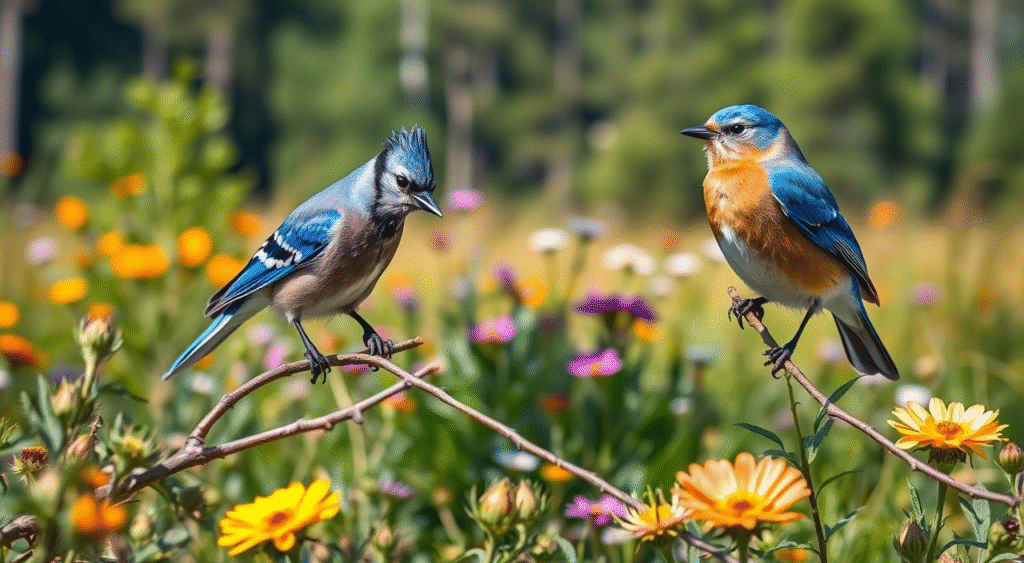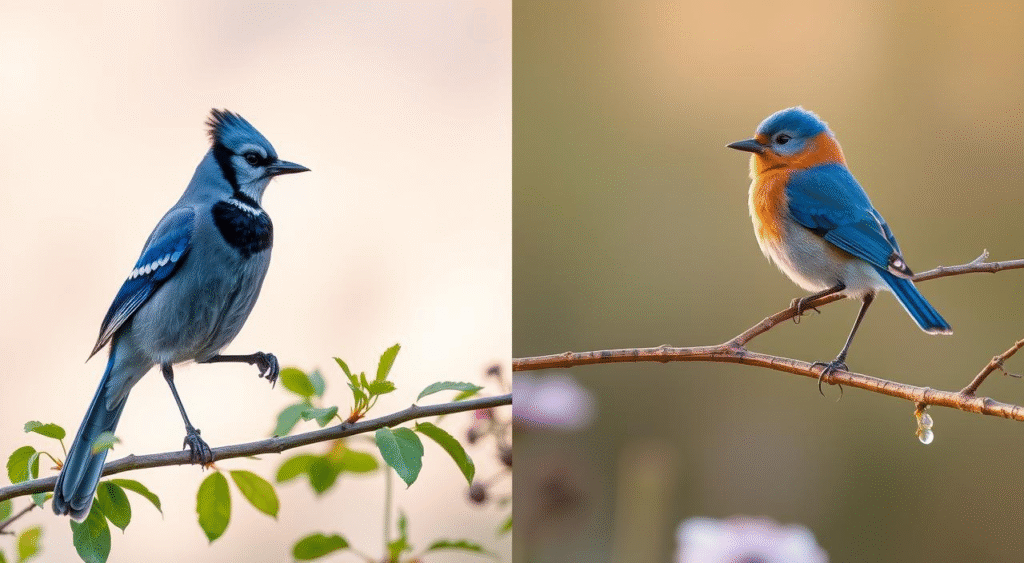
If you’ve ever paused at a flash of blue in the trees and wondered, “Was that a Blue Jay or a Bluebird?”, you’re not alone. Both birds are common in North America, both are beautifully blue, and both love visiting suburban gardens and forest edges – but they’re actually very different creatures.
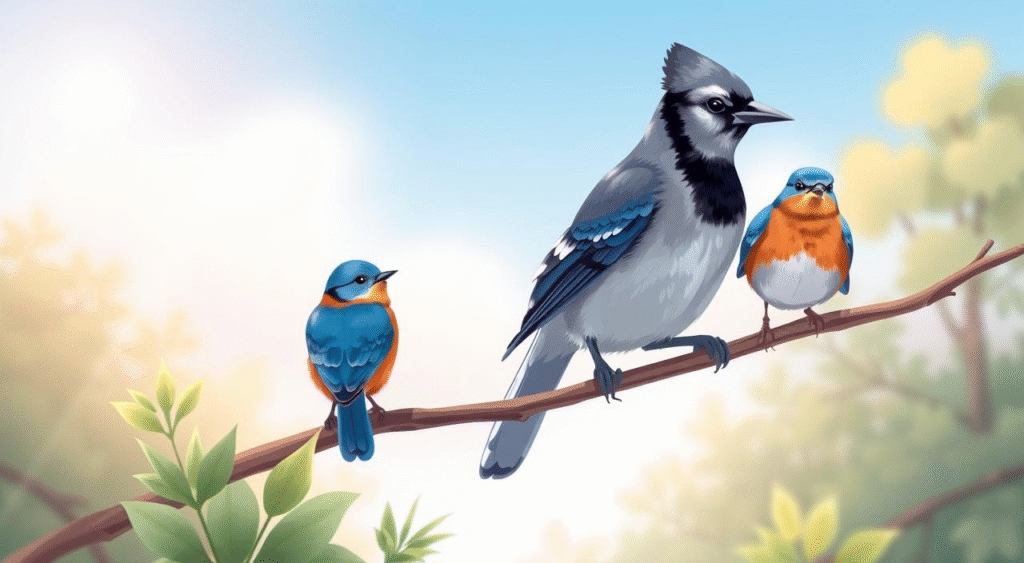
Blue Jays belong to the crow family (Corvidae) – clever, loud, social birds with strong bills and bold attitudes. birdorable.com
Bluebirds, on the other hand, are small thrushes (family Turdidae), closer cousins to robins than to jays, with soft, rounded shapes and gentle, musical voices.
“In every walk with nature, one receives far more than he seeks.” – Roger Tory Peterson
Learning to tell them apart isn’t just about ticking another species off your list. Once you start noticing the details – the Blue Jay’s raised crest and black “necklace,” the bluebird’s rusty-orange chest and smooth head – you begin to read the story of each bird’s lifestyle: what it eats, how it raises its young, and how it fits into your local ecosystem.
In this guide, you’ll learn the key differences in size, shape, color, behavior, habitat, and song so that the next time you see a spark of blue in your yard, you’ll know exactly who’s visiting – and you’ll appreciate them even more.
Meet the Blue Beauties of North America

Two birds stand out with their bright blue feathers: the Blue Jay and the Bluebird. They grab the attention of bird lovers with their stunning colors and special traits. Knowing how to tell them apart is important for spotting them in nature.
The Striking Blue Jay
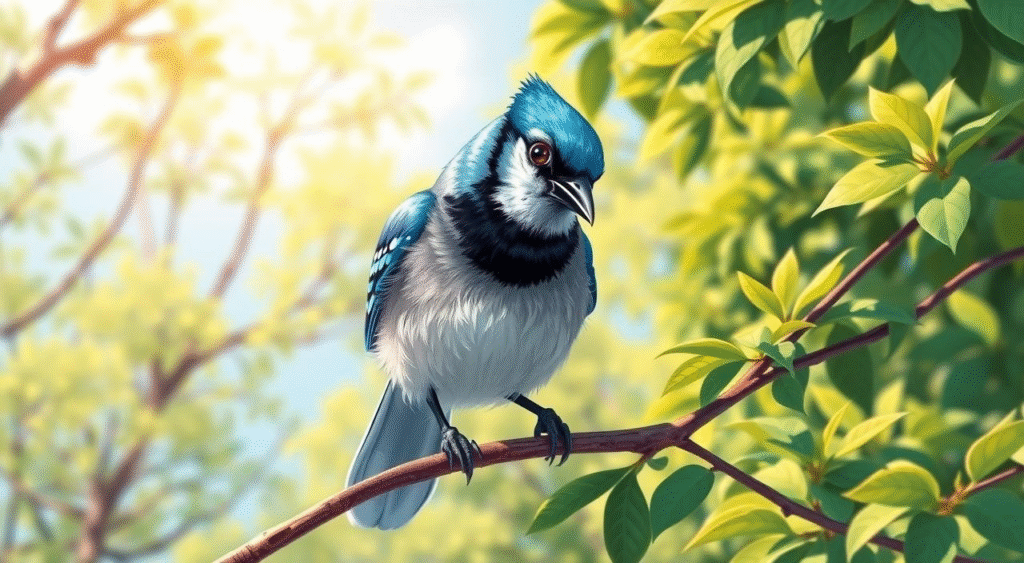
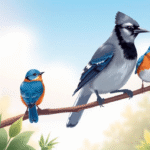
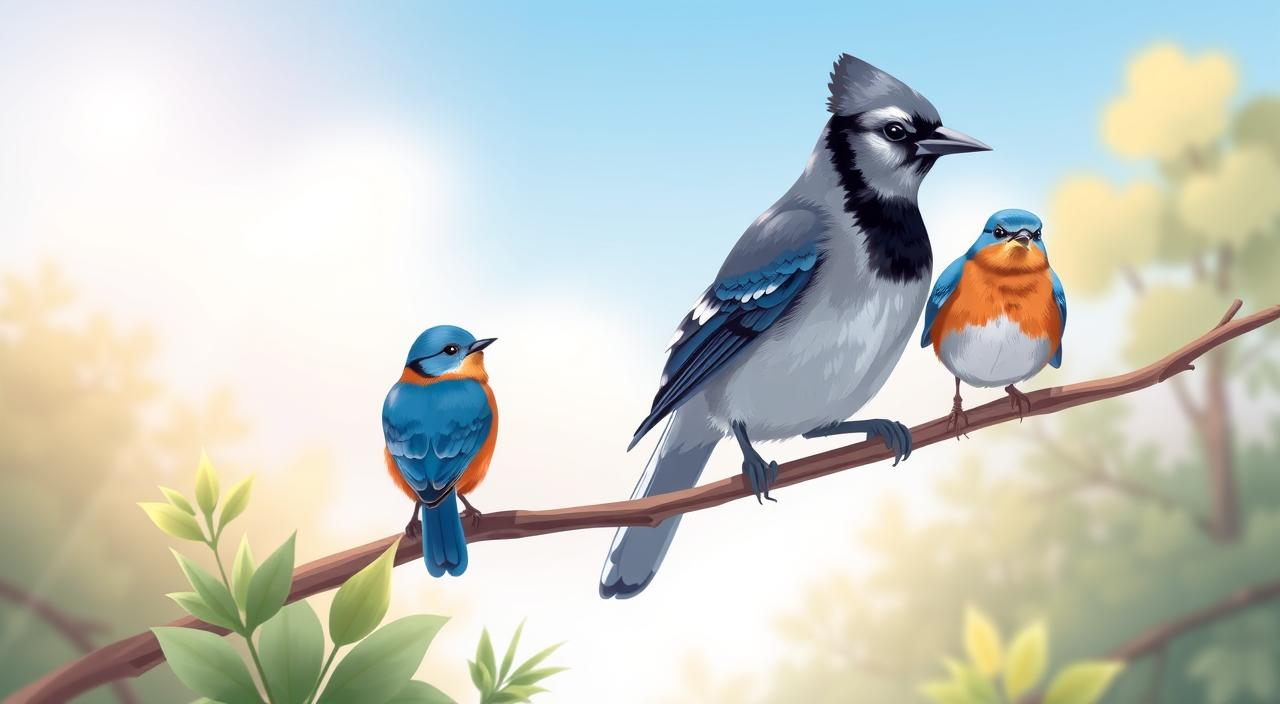
The Blue Jay is big and has a unique crest and a bold black necklace. It has a white or light gray belly. Its wings and tail shine in vibrant blue. This bird’s size and bright colors make it a standout in North American yards.
The Charming Bluebird Species
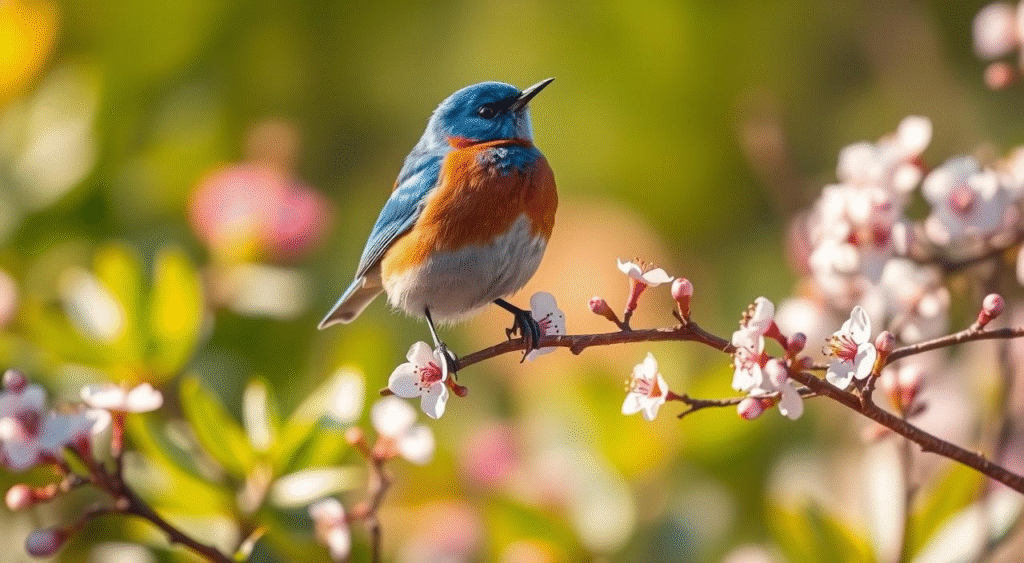
Bluebirds, on the other hand, are smaller and have a calmer color scheme. They have a bright blue back, a rust-colored chest, and a white belly. Their small size and gentle look set them apart from the bold Blue Jay.
Size, feathers, and other physical traits are key to telling these birds apart. By looking at their features, you can learn to spot them easily.
Blue Jay vs Bluebird: Key Differences at a Glance

To tell Blue Jays from Bluebirds, look closely at their physical traits. These differences help you spot them right, whether they’re in the wild or in your backyard.
Size and Shape Comparison
Blue Jays are bigger, growing 10 to 12 inches long. They have a sturdy build and a fancy crest on their heads. Bluebirds, on the other hand, are smaller, about 6.5 to 7.5 inches long. They look slender and don’t have a crest.
Color Pattern Distinctions
Both birds have blue feathers, but they look different. Blue Jays have bright blue and white feathers with a black necklace. Bluebirds have a softer blue color with orange or reddish-brown chests.
Crest vs No Crest
One big difference is the crest. Blue Jays have a fancy crest on their heads. They can move it up and down. Bluebirds don’t have a crest, so their heads look smoother.
Bill Shape and Size Differences
Their bills are also different. Blue Jays have big, strong bills for eating nuts and seeds. Bluebirds have smaller, pointed bills for catching insects.
| Characteristic | Blue Jay | Bluebird |
|---|---|---|
| Size | 10-12 inches | 6.5-7.5 inches |
| Crest | Present | Absent |
| Bill Size | Larger, stronger | Smaller, pointed |
| Primary Diet | Omnivorous | Insectivorous |
Knowing these differences helps you spot Blue Jays and Bluebirds more easily. It makes birdwatching more fun.
Physical Characteristics of Blue Jays

The Blue Jay is a bird known for its bright colors and special features. You can spot a Blue Jay by its size, weight, and unique traits.
Size and Weight
Blue Jays are medium-sized birds, about 10 to 12 inches long. They weigh 2.5 to 3.5 ounces. This size and weight help them find food and talk to other birds.
| Length (inches) | Weight (ounces) |
|---|---|
| 10-12 | 2.5-3.5 |
Distinctive Coloration and Markings
Blue Jays have bright blue and white feathers. They also have a black necklace around their neck. The blue color helps them talk and find a mate. The white and black markings make their features pop.
The Iconic Blue Jay Crest
The Blue Jay’s crest is very special. It can go up or down, showing the bird’s mood. The crest is a key way to tell if a Blue Jay is happy or upset.
How the Crest Indicates Mood
The crest shows the Blue Jay’s feelings. When it’s up, the bird might be excited, scared, or angry. When it’s down, the bird is likely calm or relaxed. Watching the crest can tell you a lot about the Blue Jay’s mood.
Knowing about Blue Jays’ physical traits helps us enjoy them more. Their size, colors, and crest make them stand out.
Physical Characteristics of Bluebirds

To tell Bluebird species apart, look at their physical traits. Bluebirds are known for their bright colors and unique features. These traits change with each species.
Eastern Bluebird Features
The Eastern Bluebird stands out with its bright blue and orange. Males show off a bright blue back, wings, and tail. They also have a reddish-orange chest and a white belly.
Western Bluebird Features
The Western Bluebird looks similar but has some differences. Males have a deeper blue on their backs and heads. They also have a rusty-red breast.
Mountain Bluebird Features
The Mountain Bluebird is known for its bright blue. Males have a vibrant sky-blue plumage that goes down to their belly. Females are duller, with a grayish-brown breast.
Female vs Male Bluebird Coloration
Female Bluebirds have duller colors than males. While males show off bright blues and oranges, females have more subdued tones. They often have gray or brown in their plumage. This helps us tell the gender of Bluebirds.
Seasonal Appearance Changes
As seasons change, Blue Jays and Bluebirds look different. Bird lovers need to know these seasonal changes to spot them all year.
Blue Jay Seasonal Variations
Blue Jays always show off their bright blue and white feathers. But, their look changes with the seasons. In fall, their feathers might look duller. Their colors shine brightest during breeding season.
Bluebird Plumage Through the Seasons
Bluebirds change more with the seasons. Their bright blue feathers glow more in breeding season. In winter, their colors may fade. Watching these changes helps you tell blue jay vs bluebird behavior.
Juvenile Identification Tips
Finding young Blue Jays and Bluebirds is hard because they look dull. Look for a crest on young Blue Jays and spots on juvenile Bluebirds. Here’s how to spot them:
- Check for the presence or absence of a crest.
- Observe the intensity of their blue coloration.
- Look for spotting or streaking on the breast.
Habitat Preferences and Geographic Range

Blue Jays and Bluebirds look similar but live in different places. Knowing where they like to be can make bird-watching better.
Where to Find Blue Jays
Blue Jays live in many places. They like deciduous and mixed forests, urban parks, and backyards. They are common in eastern and central North America, and some go into Canada.
Bluebird Territories and Migration Patterns
Bluebirds like open areas with short grass, like meadows and orchards. The Eastern Bluebird is in the eastern U.S. The Western Bluebird is in the west. Some Bluebirds move, while others stay all year.
Overlapping Ranges and Where You Might See Both
You might see them in areas with woods and open spaces. This is true during migration or in backyards with the right features.
Behavioral Differences Between Blue Jays and Bluebirds
Blue Jays and Bluebirds have unique behaviors. These show their different personalities and how they live together. Knowing these differences helps us enjoy watching them in nature.
Blue Jay Personality and Social Structure
Blue Jays are bold and smart. They live in small groups with a leader. They use tools and talk to each other in complex ways.
Bluebird Temperament and Flock Behavior
Bluebirds are calm and less seen than Blue Jays. They gather in small groups when not breeding. They stay with one partner during breeding.
Flight Patterns and Movement Styles
Blue Jays and Bluebirds fly differently. Blue Jays fly straight and proudly. Bluebirds fly fast and gracefully, chasing insects.
| Behavioral Trait | Blue Jay | Bluebird |
|---|---|---|
| Social Structure | Small groups, hierarchical | Monogamous pairs, small flocks |
| Flight Pattern | Strong, direct | Agile, swooping |
| Temperament | Bold, complex | Docile, less conspicuous |
Watching these differences helps us understand Blue Jays and Bluebirds better. It makes bird-watching more fun.
Vocalizations and Songs
Blue Jays and Bluebirds have unique songs and calls. These sounds help us tell them apart. They also show us what these birds are like.
The Varied Calls of Blue Jays
Blue Jays make many sounds. They have loud, raspy calls that sound like “jay-jay-jay.” They can even copy other birds and sounds.
The Melodious Songs of Bluebirds
Bluebirds sing sweet, whistled songs. The Eastern Bluebird sings a soft “true-true-true” or “cheer-cheer-cheer.”
Using Sound for Identification
Listening to birds can help us identify them. Here’s a table that shows how Blue Jays and Bluebirds sound different.
| Characteristic | Blue Jay | Bluebird |
|---|---|---|
| Primary Sound | Loud, raspy “jay-jay-jay” | Melodious whistled notes |
| Mimicry | Often mimics other birds and mechanical sounds | Rarely mimics other sounds |
| Song Complexity | Varied and complex | Simple, whistled phrases |
Knowing these sounds makes bird-watching better. It helps us spot Blue Jays and Bluebirds more easily.
Feeding Habits and Diet
Learning about Blue Jays and Bluebirds’ diets can make bird-watching better. Each bird has special ways to eat based on where they live and what they need.
Blue Jay’s Omnivorous Diet
Blue Jays eat a lot of different foods. They like nuts, seeds, fruits, and insects. They also go to bird feeders for peanuts or sunflower seeds.
Bluebird’s Insectivorous Preferences
Bluebirds mainly eat insects, spiders, and small bugs. They also eat fruits and berries, mostly in winter when bugs are hard to find.
Feeding Behaviors to Watch For
Watching these birds, you’ll see how they eat differently. Blue Jays search on the ground or at feeders. Bluebirds catch bugs in the air or look for berries on bushes.
| Dietary Component | Blue Jay | Bluebird |
|---|---|---|
| Nuts and Seeds | Commonly consumed | Rarely consumed |
| Insects | Consumed | Primary food source |
| Fruits and Berries | Consumed | Consumed, mostly in winter |
Nesting and Breeding Behaviors
Watching Blue Jays and Bluebirds in their homes is really interesting. They show us how they live through their nesting and breeding ways. Each species has its own special traits that bird lovers should know.
Blue Jay Nesting Habits
Blue Jays make big nests in trees or bushes. They use sticks, bark, and other plants. The female lays 2-7 eggs for about 17-18 days. Both parents help feed the babies.
Bluebird Nesting Requirements
Bluebirds need holes in trees for their nests. They use old woodpecker holes or nesting boxes. The female Bluebird lays 3-7 eggs for about 12-14 days.
Differences in Parental Care
Blue Jays and Bluebirds care for their young differently. Both parents help with the young in Blue Jay families. But, female Bluebirds mostly incubate eggs, and males bring food.
Nest Identification Tips
To find nests, look at the materials and where they are. Blue Jay nests are big and easy to see. Bluebird nests are hidden in holes. Knowing these helps you spot them when they’re busy with their young.
How to Attract Each Bird to Your Yard
Blue Jays and Bluebirds can be drawn to your yard with the right food and habitat. Knowing their needs is key to welcoming them.
Creating a Blue Jay-Friendly Environment
Blue Jays like yards with mature trees and dense shrubs. These provide shelter and nesting sites. To attract Blue Jays, consider:
- Planting oak, beech, or pine trees, as they love the nuts and seeds from these trees.
- Maintaining a messy area with leaves and twigs, as Blue Jays forage for insects and nuts on the ground.
- Offering peanuts, sunflower seeds, and suet at your feeders.
Setting Up Bluebird Houses and Habitats
Bluebirds prefer open areas with short grass and sparse trees. They are great for yards with little landscaping. To attract Bluebirds:
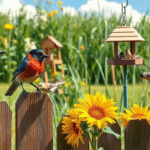
- Install a Bluebird house mounted on a pole or fence post, facing east to avoid direct sunlight.
- Maintain a lawn with short grass, as Bluebirds hunt for insects on the ground.
- Avoid using pesticides, as they reduce the insect population that Bluebirds rely on for food.
Food Preferences for Backyard Feeding
Both birds enjoy mealworms, but they have different diets. Blue Jays are omnivores and like nuts, seeds, fruits, and insects. Bluebirds mainly eat insects and prefer mealworms. The right food can attract these birds to your yard.
Appreciating the Unique Beauty of Blue Jays and Bluebirds
Exploring Blue Jays and Bluebirds has deepened your appreciation for them. Their bright blue feathers are eye-catching. But, each has its own special features.
The Blue Jay’s bold crest and colors stand out. The Bluebird’s calm beauty and song bring peace. Both offer a unique experience for bird lovers. Creating a welcoming yard can bring these birds closer, deepening your appreciation.
Understanding each bird’s unique traits makes bird watching more rewarding. It shows the beauty of bird diversity. Bird watching is not just about identifying birds. It’s about enjoying their beauty and their role in nature.
Conclusion
When you put Blue Jays and bluebirds side by side, it becomes clear that “blue bird” doesn’t mean just one thing. The Blue Jay is a bold, brainy corvid – big, crested, loud, and curious – perfectly built for cracking acorns, mobbing hawks, and ruling the feeder. birdorable.com
The bluebirds are something else entirely: smaller thrushes built for open country, perching quietly on fence posts and dropping down to snatch insects from the grass. Their soft blue backs and warm orange chests are almost the opposite of the Jay’s crisp blue-white-black pattern, and their gentle songs match that calmer personality.
Learning these differences isn’t just about identification. It’s a way of tuning your eyes and ears to the subtle diversity in your own backyard. The moment you start asking, “Is that head crested? Is the chest rusty or white? Does the call sound like a whistle or a harsh ‘jay-jay’?” you’re no longer just seeing “a blue bird” – you’re seeing individual species with their own roles in the landscape.
So the next time a streak of blue crosses your field of view, take a second look. Listen for the voice, notice the shape, watch how it moves. In those few extra moments of attention, you’re doing exactly what Roger Tory Peterson was talking about: receiving far more from nature than you were looking for.
FAQs
1. Is a Blue Jay the same as a Bluebird?
No. They only look similar because they’re both blue.
- Blue Jays are larger, crested birds in the crow family (Corvidae). birdorable.com
- Bluebirds are smaller, smooth-headed thrushes in the Turdidae family, related to robins.
They’re not the same kind of bird and aren’t especially closely related.
2. Are Blue Jays and Bluebirds closely related?
Not really.
- A Blue Jay (Cyanocitta cristata) is a corvid, in the same family as crows, ravens, and magpies. birdorable.com
- An Eastern Bluebird (Sialia sialis) is a thrush, in the same family as robins and other bluebird species.
They share a color, not a family tree.
3. Which is bigger: a Blue Jay or a Bluebird?
Blue Jays are clearly bigger.
- Blue Jay: about 9–12 inches (22.9–30.5 cm) long and 70–100 g in weight. birdorable.com
- Eastern Bluebird: about 6.3–8.3 inches (16–21 cm) long and 27–32 g in weight.
If the bird looks chunky with a long tail and a big head, it’s probably a Blue Jay; if it’s smaller and more delicate, it’s likely a bluebird.
4. Do Blue Jays scare away or harm Bluebirds?
Sometimes, yes – but the story is a bit more nuanced.
Blue Jays are bold and can dominate feeders. They sometimes chase smaller birds away from food and will occasionally raid nests for eggs or nestlings, including those of other species. However, studies suggest that jays are not usually the main cause of bluebird nest failure; predators like snakes, raccoons, and cats are often a bigger problem.
If you want both birds in your yard, you can:
- Put Blue Jay feeders (with peanuts, sunflower seeds, suet) away from your bluebird nest boxes.
- Use properly designed bluebird boxes on smooth poles with predator guards.
5. Can Blue Jays and Bluebirds use the same birdhouse?
Not really.
Blue Jays are much larger and don’t use small nest boxes like bluebird houses. They normally nest in open cup nests of sticks high in trees. Bluebirds, by contrast, love cavity-style nest boxes with specific entry-hole sizes and dimensions.
If you’re trying to attract bluebirds, set up proper bluebird boxes in open areas. Jays might visit your feeders and trees, but they won’t try to squeeze into those small boxes.
6. How can I attract Blue Jays vs Bluebirds to my yard?
To attract Blue Jays:
- Offer peanuts (in or out of the shell), black-oil sunflower seeds, and suet.
- Provide mature trees and dense shrubs for cover and nesting. birdorable.com
To attract Bluebirds:
- Put up bluebird nest boxes facing open grassy areas.
- Offer mealworms (live or dried) in shallow dishes.
- Avoid pesticides so there are plenty of natural insects to hunt.
Design your yard with both open spaces and shrubs/trees, and you can often host both kinds of “blue beauties.”
5. Sample “real human” feedback (important honesty note)
Here are some realistic sample comments you could expect:
“I’ve been birdwatching casually for years and still mixed these two up. The side-by-side explanation of size, crest, and chest color finally made it click for me.”
“Loved the section on behavior. I always thought Blue Jays were just ‘mean,’ but this helped me understand why they act the way they do around the feeder.”
“The habitat and backyard tips were super useful. I’ve had bluebirds in the boxes out in the pasture but didn’t realize I could set things up so Jays use a different part of the yard.”
“One suggestion: maybe add a comparison photo or a simple diagram showing jay vs bluebird silhouettes. That would make it even easier for beginners.”