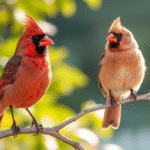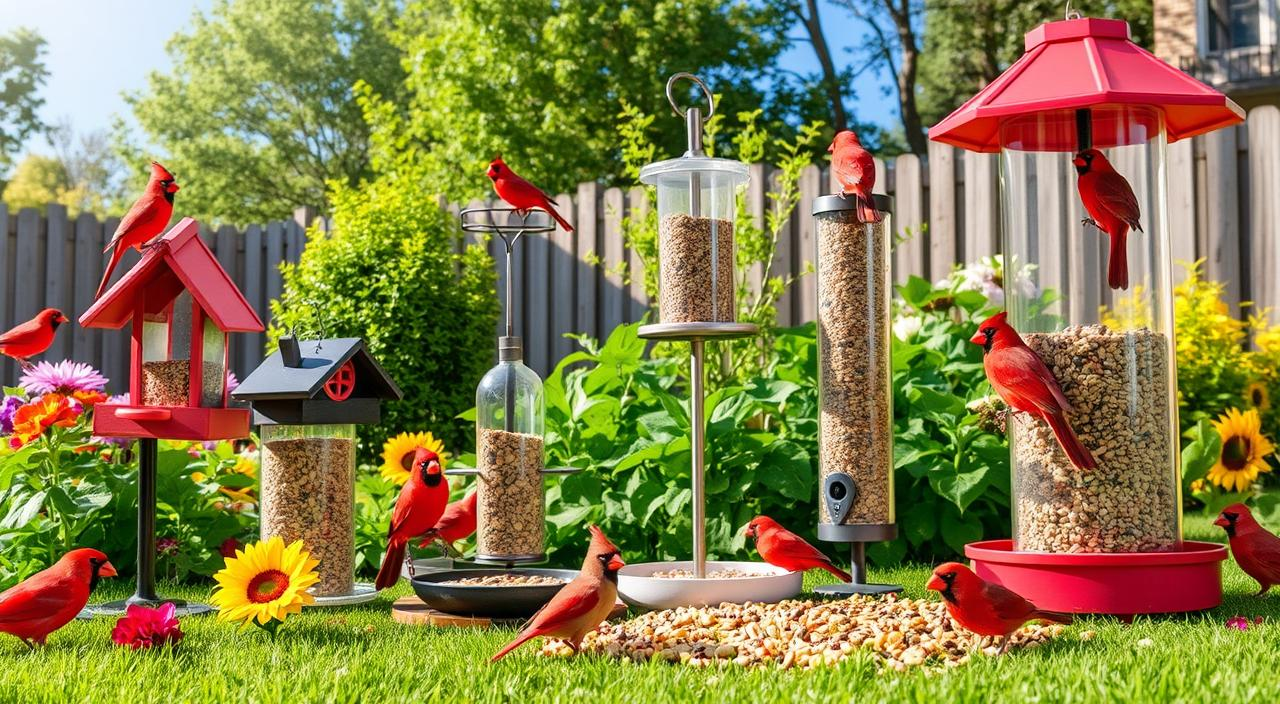
Northern Cardinals are one of the most rewarding backyard birds to feed—bold, colorful, and loyal once they trust a yard.
The fastest way to bring them in is simple: offer the right seed in the right feeder, keep it fresh, and make the feeding area feel safe.
This guide is educational, not veterinary advice. If you see multiple sick birds at a feeder, it’s often best to pause feeding and follow reputable feeder-disease guidance and cleaning steps.4
Table of contents
Quick answer: the best bird seed for cardinals
- Black oil sunflower seed (top choice): high-energy and widely recommended as a “mainstay” seed.2
- Safflower seed (great alternative): described as a favorite among cardinals in Cornell’s seed guide; some sources also suggest squirrels often dislike it (though this can vary by location).2
- Sunflower hearts/chips (low-mess): less hull waste, but they can spoil faster without shells—offer only what birds will eat quickly and keep it dry.2
- Optional add-on: peanut pieces (unsalted) as an occasional treat—keep them dry and use up quickly.2
Cardinals are common feeder visitors and “particularly seem to use sunflower seeds.”1
If your goal is “see cardinals soon,” start with sunflower and build from there.
Why cardinals prefer certain seeds
Cardinals are strong-billed seed eaters. In backyard feeding, they reliably show up for calorie-dense seeds they can handle comfortably—
especially sunflower and safflower.12
Cardinal feeding behavior that matters
- They like stable perches and wider feeding surfaces (think tray/platform or hopper feeders).
- They often feed lower than some birds, which makes cleanliness and predator awareness more important.
- They return when food is consistent and the area feels safe.
Seed-by-seed breakdown: what works best (and why)
1) Black oil sunflower seed (best overall)
Sunflower is commonly described as the seed that attracts the widest variety of birds, and black oil sunflower has thin shells with
high fat content that’s valuable to many birds.2 Cardinals also commonly use sunflower at feeders.1
- Pros: high attraction, strong energy value, widely available.
- Cons: hull mess under feeders; wet seed can spoil.
2) Safflower seed (excellent for cardinals; squirrel results vary)
Safflower is described as a favorite among cardinals in Cornell’s seed guide. It has a thicker shell (hard for some birds to crack), and
some sources suggest squirrels may dislike it—though squirrels can “learn it” in some areas.2
- Pros: strong cardinal acceptance; may reduce squirrel pressure in some yards.2
- Cons: some birds ignore it; local results can vary.
3) Sunflower hearts/chips (cleaner yard, faster eating)
Hulled sunflower is a low-mess option. However, Cornell’s seed guide warns that sunflower hearts and chips can spoil quickly without shells,
and that it’s important to offer only what birds can eat in a day or two (and keep it dry).2
- Pros: less waste, easier for birds to eat.
- Cons: can be pricier; needs careful storage and “small-batch” feeding.2
4) Peanut pieces (unsalted) as an occasional add-on
Peanut pieces can add variety, but keep them dry and use them up quickly. Cornell’s seed guide notes peanuts can be popular with many birds,
but also cautions about spoilage/contamination risks if kept wet or left too long.2
- Use: unsalted, unflavored peanut pieces.
- Avoid: salted/flavored nuts, and any moldy or musty nuts.
Key idea: More ingredients doesn’t automatically mean better feeding. A “cardinal mix” works when it’s mostly
sunflower + safflower, stored properly, and offered in a feeder cardinals actually use.
How to read a bird seed label (so you don’t buy filler)
Cornell’s seed guide notes that many mixes containing red millet, oats, and other “fillers” aren’t attractive to most birds and can lead to
a lot of waste as birds sort through the mix.2
Cardinal seed mix label checklist
- Top ingredients should be: black oil sunflower, safflower, sunflower hearts/chips.2
- Be cautious with heavy “filler” mixes: they often create waste under feeders.2
- Avoid dyed seed: Cornell’s seed guide warns against dyed corn used as a treatment warning (do not feed).2
- Check freshness: low dust, no sour smell, no webbing, no clumps (moisture).
DIY cardinal seed mix (simple, effective, low-waste)
If you want a reliable homemade blend that cardinals use quickly, keep it simple and dry.
Basic DIY mix ratio
- 70% black oil sunflower seed
- 25% safflower seed
- 5% sunflower hearts/chips (optional; offer in smaller amounts because they can spoil faster)2
Storage (this matters more than people think)
- Store seed in an airtight container in a cool, dry place.
- Don’t top off old seed with new seed—empty and wipe containers periodically.
- Discard seed that smells musty, looks clumped, or shows insect webbing.
Best feeder types for cardinals
Cardinals do best with space, stability, and easy access. Here are practical feeder options.
| Feeder type | Why cardinals like it | Watch-out |
|---|---|---|
| Platform / tray | Easy landing; natural feeding posture; great for sunflower + safflower | Clean often; remove wet seed quickly to reduce spoilage/disease risk |
| Hopper | More protection from weather; steady access | Choose one you can fully disassemble and scrub |
| Large-perch tube | Can work if perches/ports are large enough | Many tube feeders are too small for cardinals to perch comfortably |
Feeder placement: get cardinals to feel safe
- Near cover: place feeders within quick flight distance of shrubs/trees so cardinals can retreat.
- Avoid ambush spots: don’t put feeders where cats can hide directly underneath.
- Keep it observable: you should be able to see the area so you can spot problems (wet seed, mess, sick birds).
- Manage window risk: if birds frequently fly near reflective windows, adjust placement and consider window-safety treatments.
Keep cardinals healthy: cleaning and spoilage prevention
Feeders can concentrate birds in a small area, which can increase disease risk if cleaning is ignored. Cornell’s feeder-cleaning guidance
emphasizes regular washing and disinfecting, followed by thorough rinsing and complete drying.3
Simple cleaning routine (seed feeders)
- Every 1–2 weeks (more often in wet weather or heavy use): empty the feeder completely.
- Wash/scrub, then disinfect with a 10% bleach solution (about
1 part bleach to 9 parts water), following safety instructions.3 - Rinse thoroughly and let the feeder dry completely before refilling.3
- Rake/remove old seed and droppings under the feeder to reduce contamination.
Bleach safety: Use unscented household bleach, never mix bleach with acids (like vinegar), rinse repeatedly, and air-dry fully before adding seed again.3
When to pause feeding
If you notice multiple birds that look lethargic, fluffed up, or unwell, follow feeder-disease guidance (which may include temporarily taking feeders down and cleaning thoroughly).4
Troubleshooting: why cardinals aren’t visiting (yet)
Common reasons
- Seed mismatch: too much filler, not enough sunflower/safflower.2
- Feeder mismatch: tiny perches or awkward tube feeders.
- Safety: feeder too exposed, or predators nearby.
- Wet/old seed: spoilage reduces use and can create health risks.
Quick fixes that work
FAQ: best bird seed for cardinals
What is the single best bird seed for cardinals?
What seed helps attract cardinals but may reduce squirrels?
Safflower is widely used for cardinals, and some sources suggest squirrels often dislike it (though this can vary by area).2
Should I buy a “cardinal mix” or make my own?
A good “cardinal mix” is mostly sunflower + safflower with minimal filler. If mixes near you are filler-heavy, making your own blend is often better.2
How do I keep seed from going bad?
Store seed airtight, dry, and cool. Don’t feed clumped/musty seed. Offer smaller amounts of sunflower hearts/chips because they can spoil faster.2
How often should I clean my feeder?
A practical baseline is every 1–2 weeks, more often in wet weather or heavy use. Disinfect with a 10% bleach solution, rinse thoroughly, and dry completely before refilling.3
Sources
- Cornell Lab of Ornithology (All About Birds) — Northern Cardinal overview (notes common feeder use of sunflower seeds).
Source - Cornell Lab of Ornithology (All About Birds) — “Feeding Birds: a Quick Guide to Seed Types” (sunflower, safflower favored by cardinals, filler waste, sunflower chips spoilage, peanut cautions).
Source - Cornell Lab of Ornithology (All About Birds) — “How to Clean Your Bird Feeder” (disinfecting guidance including 10% bleach solution and thorough drying).
Source - Project FeederWatch (Cornell Lab of Ornithology) — “Should I take down my feeders? What about diseased birds?” (steps when illness is suspected).
Source