Backyard birds identification for beginners

You don’t have to hike into a wilderness to feel that magic. Sometimes it’s perched on your fence, singing from the top of a neighbor’s spruce, or hopping under your feeder while you drink your morning coffee. Backyard birdwatching is simply nature coming to you.

Across the U.S., tens of millions of people now watch birds, many of them starting right at their own windows. Audubon What begins as “Hmm, what’s that little brown bird?” quickly turns into a daily ritual: learning shapes, listening for songs, and noticing how the yard feels different in spring, summer, fall, and winter.

You don’t need to be an expert or own expensive gear to begin. With a simple pair of binoculars, a basic field guide or app, and a bit of curiosity, you can learn to recognise the regular visitors in your yard and notice when something new drops in. As birder and field-guide author Roger Tory Peterson famously said, “Birdwatching is a lifetime ticket to the theater of nature.”

In this guide, we’ll walk through the essentials of backyard bird identification:

  • the key features to look at (size, shape, color, behavior, and voice),
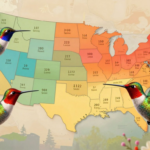
  • the most common backyard birds in different parts of the country,
  • how to turn your yard into a bird-friendly haven, and
  • the simple tools and apps that make ID much easier.

Whether you’re brand-new to birding or finally ready to put names to the birds you’ve been seeing for years, this is your starting point to really see the feathered neighbors you already live with.

Getting Started with Backyard Birds Identification

Backyard Birds Identification

The world of backyard birds is fascinating. Identifying them can be a fun and rewarding hobby. With 96 million birders in the United States, you’re not alone in your interest in bird watching. Starting with your backyard is a great way to begin your journey into the world of bird identification.

Why Bird Watching is a Rewarding Hobby

Bird watching is more than just spotting birds. It’s an experience that connects you with nature. As “The clearest way into the Universe is through a forest wilderness”, a quote that resonates with many naturalists, bird watching offers a similar gateway to appreciating the natural world. It encourages patience, observation, and a deeper appreciation for wildlife.

Basic Equipment You’ll Need

To start identifying birds in your backyard, you’ll need some basic equipment. The right tools can make a significant difference in your bird watching experience.

Binoculars and Optics

Binoculars are essential for bird watching. They allow you to observe birds without disturbing them. When choosing binoculars, look for a pair that is waterproof and has good magnification (7x or 8x is recommended).

Field Guides and References

A good field guide is your key to identifying bird species. It should include detailed descriptions, images, and information on habitats and behaviors. Digital apps and online resources can also be valuable references.

By equipping yourself with the right tools and knowledge, you’ll be well on your way to enjoying the rewarding hobby of backyard bird identification.

Key Features for Identifying Backyard Birds

Backyard Birds

Identifying backyard birds is a fun skill. It involves noticing their size, color, behavior, and songs. Knowing these key features helps you tell different birds apart.

Size and Shape

The size and shape of a bird are key to identifying it. You can guess a bird’s size by comparing it to things you know. For example, the American Goldfinch is like a sparrow.

Looking at the bird’s tail, beak, and body shape also helps. These details can narrow down what bird it might be.

Color Patterns and Markings

Color patterns and markings are very distinctive. The American Goldfinch, for instance, is bright yellow in spring. Other birds have unique stripes, spots, or patches.

Using a bird identification app can teach you about these visual clues.

Behavior and Movement

Watching how birds act and move can give you clues. Some birds forage on the ground, while others live in trees. Their flight patterns can also tell you what bird it is.

Songs and Calls

Birds use songs and calls to talk to each other. These sounds can help you identify them. The American Goldfinch, for example, has a song that sounds like “po-ta-to-chip.”

Learning these sounds makes birdwatching more fun. It helps you know what birds are around, even when you can’t see them.

Bird FeatureDescriptionExample
Size and ShapeEstimate size and observe body proportionsAmerican Goldfinch (sparrow-sized)
Color PatternsNote distinctive colors, stripes, or spotsBright yellow in spring for American Goldfinch
Behavior and MovementObserve foraging habits and flight patternsGround-foragers vs. tree-dwellers
Songs and CallsListen for distinctive vocalizations“po-ta-to-chip” for American Goldfinch

Common Backyard Birds in the Eastern United States

Backyard Birds in the Eastern United States

When you step outside in the Eastern United States, you’ll see many birds. This area’s varied landscape and weather attract birds from all over. It’s a great place for bird lovers to learn and watch different species.

Cardinals, Blue Jays, and Other Colorful Species

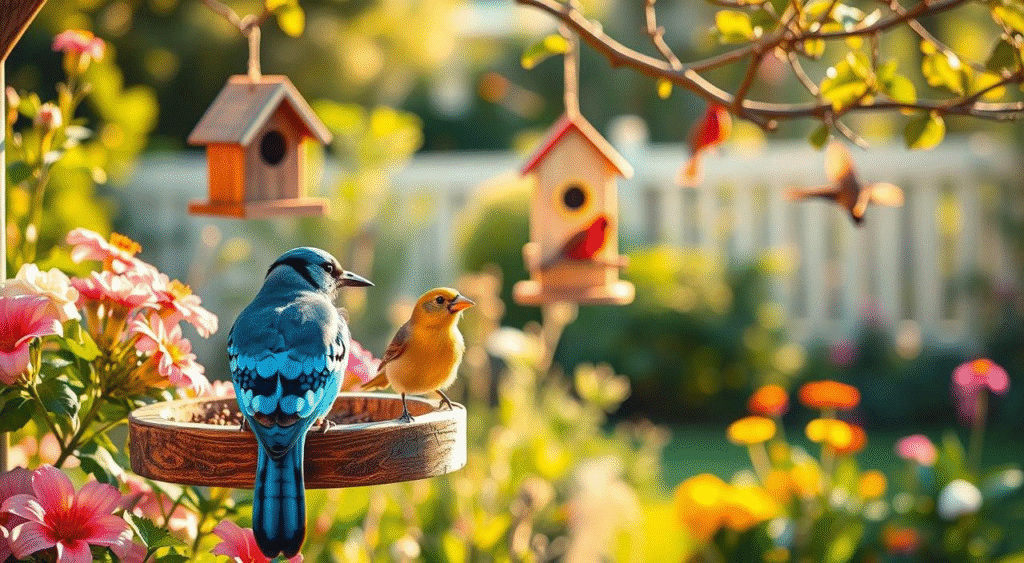
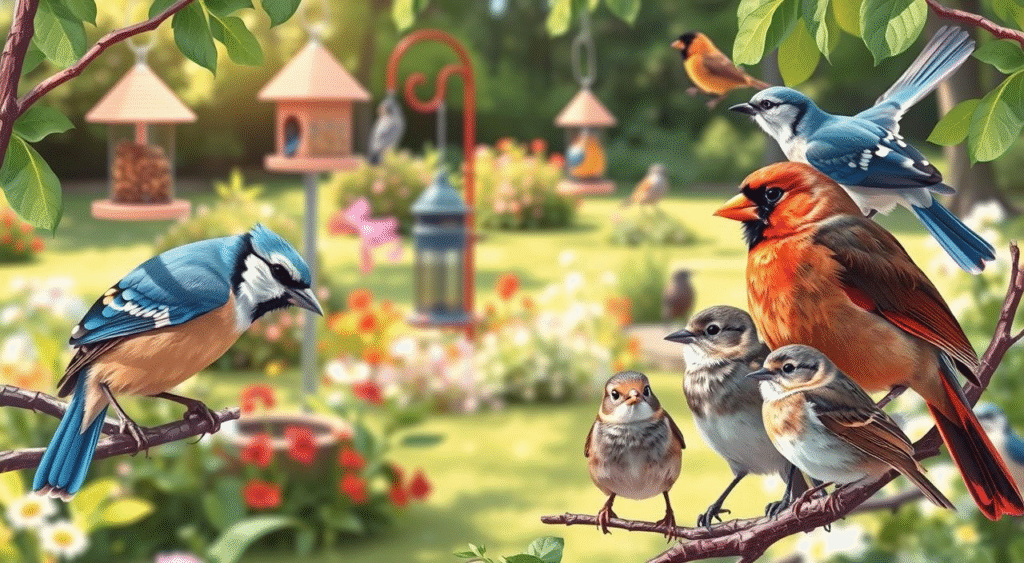
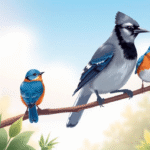
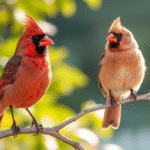
The Northern Cardinal is easy to spot with its bright red feathers. Birding tips: Listen for its song and look for its crest. Blue Jays are also colorful, with blue and white feathers and loud calls. They’re fun to watch, and you can attract them with the right birding tips.

Look out for the American Goldfinch and the Ruby-throated Hummingbird too. Plant native flowers and offer the right food to draw these birds to your yard.

Sparrows, Finches, and Small Songbirds

Sparrows and finches are common in Eastern backyards. They flit between bushes and trees, singing sweet songs. Birding tips: Notice their size, shape, and colors to identify them. For example, the House Sparrow has a black throat patch, and the American Goldfinch is bright yellow.

Use seed feeders and plant native plants to attract these birds. This way, you can watch them up close.

Woodpeckers and Tree-Dwelling Birds

Woodpeckers are interesting birds found in Eastern backyards. The Red-bellied Woodpecker is common, with its red cap and black-and-white back. Birding tips: Listen for their drumming to find them. Nuthatches and chickadees are also tree-dwelling birds to look for, attracted by suet feeders and native trees.

Knowing about these birds’ traits and habits makes bird watching more enjoyable. It lets you appreciate nature in your own backyard.

Common Backyard Birds in the Western United States

The Western United States has many different landscapes. This attracts lots of bird species to backyards. Backyard birding is a fun hobby because you can see many birds all year.

Hummingbirds and Western Specialties

The Western United States is famous for its hummingbirds. The Anna’s Hummingbird often visits backyard feeders in California and the Southwest. They love nectar-rich flowers and feeders, adding joy to any yard.

To draw hummingbirds, plant native flowers like honeysuckle or red salvia. Use feeders with 4:1 sugar-water mix to attract them.

Jays, Towhees, and Larger Songbirds

Jays and towhees are also common in Western backyards. The Western Scrub Jay has bright blue and white feathers. The California Towhee is known for its unique call and reddish-brown color.

These birds like yards with dense shrubs and trees. They find shelter and food there. Sunflower seeds and suet can also bring them to your yard.

Western Woodpeckers and Flickers

Woodpeckers like the Acorn Woodpecker and the Northern Flicker are common too. They eat insects in trees, helping with pest control.

To attract woodpeckers, keep trees with natural insect homes. Suet feeders are also great for drawing them to your yard.

Seasonal Changes in Backyard Bird Populations

Your backyard is like a small world, changing with the seasons. These changes affect the birds you see. Knowing about these changes makes bird watching more fun and interesting.

Spring Migration and Breeding Season

When spring comes, many birds migrate back to their homes. Your backyard becomes a colorful place. You’ll see birds like warblers, tanagers, and orioles in their best colors.

Summer Residents

In summer, birds that live in your area all year raise their young. You’ll see robins, blue jays, and American goldfinches. They are fun to watch as they search for food.

Fall Migration Patterns

As fall starts, many birds migrate to warmer places. You might see sparrows, finches, and songbirds. A backyard birds identification guide can help you learn about these birds.

Winter Visitors and Year-Round Species

In winter, different birds visit your backyard. Look for dark-eyed juncos, snow buntings, and snowy owls. Cardinals and chickadees stay all year, so you can always see them.

SeasonCommon Bird Species
SpringWarblers, Tanagers, Orioles
SummerRobins, Blue Jays, American Goldfinches
FallSparrows, Finches, Songbirds
WinterDark-eyed Juncos, Snow Buntings, Snowy Owls

Knowing about the seasons helps you enjoy bird watching more. It makes bird species identification more exciting.

Creating a Bird-Friendly Backyard

Backyard birds identification

To make your backyard bird-friendly, you need more than just a feeder. You must think about food, water, and shelter. This way, you can attract many bird species and enjoy bird watching more.

Types of Bird Feeders and Food

The feeder you pick can change the birds you see. Each bird likes different foods.

Seed Feeders and Seed Types

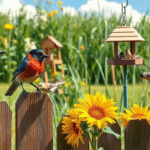
Seed feeders are very popular. They can hold many seed types. Black oil sunflower seeds are loved by many birds. Nyjer seed, on the other hand, attracts finches and small songbirds.

Specialized Feeders (Hummingbird, Suet, etc.)

Feeders for hummingbirds or suet can attract special birds. Hummingbird feeders with sugar water draw these tiny birds. Suet feeders give woodpeckers and nuthatches high-energy food.

Water Sources and Bird Baths

Birds need water for drinking and bathing. A bird bath or small pond can attract them. Make sure the water is clean and the bath is safe and easy for birds to use.

Native Plants That Attract Birds

Native plants are key for a bird-friendly yard. They offer berries, seeds, and insects that birds need. Adding native plants to your yard also gives birds shelter and places to nest.

Plant TypeBirds AttractedBenefits
Native SunflowersFinches, SparrowsSeeds
Berry BushesRobins, BluebirdsFruit, Shelter
Native GrassesSparrows, MeadowlarksSeeds, Nesting Sites

By adding these elements, you can make your yard a welcoming place for birds. This will make your bird identification guide experience better in your own backyard.

Technology and Resources for Backyard Birds Identification

Identifying bird species in your backyard is now easier. Thanks to technology, you have many tools to help. These tools make birdwatching more fun.

Field Guides and Reference Books

Field guides are great for learning about birds. They describe birds, where they live, and how they act. Choose a guide for your area for the best info.

Bird Identification Apps and Websites

Birding apps and websites have changed how we identify birds. They offer pictures, bird sounds, and updates on sightings.

Popular Bird ID Apps

Apps like Merlin Bird ID, iBird Pro, and Audubon Birds are popular. They are easy to use and have lots of bird info.

Online Communities and Resources

Online forums and birding groups are great for meeting others. Sites like eBird and BirdWatching have lots of bird info.

Using Binoculars Effectively

A good pair of binoculars is key for birdwatching. Look for waterproof ones with a wide view. Practice using them to notice bird details.

Common Challenges in Bird Identification

Starting your backyard birding journey can be tough. You’ll face many obstacles that make it hard to tell birds apart. One big challenge is how similar different bird species look.

Similar-Looking Species and Lookalikes

Many birds look alike, making it hard to tell them apart. For example, sparrows and finches are often the same size and color. A bird identification app can help with this by showing detailed pictures and descriptions.

  • Look for unique markings or colors on the bird’s body.
  • Check the bird’s beak shape and size. It’s a big clue.
  • Notice where the bird lives and how it acts. Different birds like different places and do things differently.

Juvenile Birds vs. Adults

Young birds look different from adults. They have streaked or spotted feathers that change as they grow up. Knowing this can help you guess what bird you’re seeing.

Seasonal Plumage Changes

Some birds change how they look with the seasons. For example, some birds are very colorful in spring but less colorful in fall. Knowing these changes helps you identify birds all year.

By understanding these challenges and using tools like a bird identification app, you can get better at backyard birding. It makes the hobby more fun and rewarding.

Taking Your Backyard Birding to the Next Level

As you get better at identifying birds in your backyard, you can try new things. You might want to start taking pictures of the birds you see. This can make you appreciate their behavior and looks even more.

Keeping a journal of your bird sightings is another great idea. Write down what birds you see, their habits, and when they visit. This helps you understand your local bird life better. Plus, you can share your findings with science projects like those at the Cornell Lab of Ornithology or the National Audubon Society.

Joining bird counts and community events can also make your bird watching better. These gatherings let you meet other bird lovers, learn from experts, and help with bird conservation. By doing these things, you’ll enjoy bird watching even more and learn a lot.

Conclusion

Backyard birding isn’t about memorising every species in a field guide. It’s about slowing down enough to notice who is already sharing your space – the cardinal at the feeder at dawn, the chickadee scolding you from the maple, the goldfinch that suddenly appears in bright breeding plumage in spring.

Once you know the basics – size and shape first, then color patterns, behavior, and voice – you start to see patterns everywhere. That “random brown bird” becomes a Song Sparrow scratching in the mulch; that “tiny thing in the tree” reveals itself as a Black-capped Chickadee hanging upside-down for a seed. Guides from groups like the Cornell Lab of Ornithology and the National Audubon Society all teach this same step-by-step approach because it works for beginners and experts alike. AvianBliss+1

If you want to go a bit further, you can:

  • Create better habitat – Add native plants, a reliable water source, and a mix of feeders. You’ll attract more species and see more natural behavior right outside your door. App Store
  • Use modern tools – Free apps like Merlin Bird ID can help you identify birds by photo, short questions, or even their songs, which is a game-changer when the bird is hidden in the leaves. El País
  • Join citizen-science projects – Logging your sightings in projects like eBird or the Great Backyard Bird Count turns casual observations into useful data that helps scientists track bird populations and protect habitat. American Ornithological Society

Most of all, remember that bird identification is a skill that grows slowly and then suddenly. The more you look and listen, the more familiar your local birds become – and the more your backyard starts to feel like a tiny, living ecosystem instead of just “the yard.”

If you keep your curiosity open and your binoculars nearby, your backyard will never look the same again – and that’s a very good thing.

FAQs

1. How do I identify birds in my backyard?

Start with four basics:

  1. Size and shape (sparrow-sized, robin-sized, crow-sized, etc.)
  2. Main colors and patterns (wing bars, eye rings, streaks, patches)
  3. Behavior (ground-feeding, climbing tree trunks, clinging to feeders)
  4. Voice (simple call notes vs. complex songs).

Then compare what you see to a field guide or an app like Merlin Bird ID. Over time, your brain starts to recognise your regular visitors almost instantly.


2. What are the most common backyard birds in North America?

It depends on where you live, but some of the classic “yard birds” many people see include:

  • Northern Cardinal
  • American Robin
  • Blue Jay (East) or Western Scrub-Jay / California Scrub-Jay (West)
  • American Goldfinch
  • House Sparrow
  • Mourning Dove
  • Black-capped Chickadee or Carolina Chickadee

A local field guide or regional checklist from your state or from Cornell/Audubon will show you the most common birds in your area. AvianBliss+1


3. What is the best time of day to watch birds in my yard?

The early morning is usually the best time. Birds are most active just after sunrise when they’re feeding and singing. A second smaller peak can happen in the late afternoon. Midday can be quieter, especially on hot, sunny days.


4. Do I really need binoculars to identify backyard birds?

You can learn quite a bit with just your eyes, but binoculars make things much easier. They help you see small details like eye rings, wing bars, and subtle color patterns. A simple 8×42 or 8×32 pair is plenty for backyard birding – no need for super-expensive gear when you’re starting out.


5. How can I attract more birds to my backyard?

Think in terms of food, water, and shelter:

  • Offer a variety of foods (black oil sunflower seeds, suet, nyjer for finches, sugar water for hummingbirds).
  • Provide clean water in a bird bath, shallow dish, or small fountain.
  • Plant native trees, shrubs, and flowers that offer natural food and safe places to hide and nest.

The more natural your yard feels, the more species you’ll eventually see.


6. What app is best for identifying backyard birds?

Many birders like Merlin Bird ID from the Cornell Lab of Ornithology. It’s free and can identify birds using a few questions, a photo, or even the sound of the bird singing. Other options include eBird (for tracking your sightings) and apps from Audubon or iBird. El País+1


7. Why do I see different birds in different seasons?

Birds migrate. Many species only spend part of the year in your area, then travel south for winter or north to breed. That’s why you might see warblers and orioles mostly in spring and fall, or winter finches only some years. Seasonal change is a big part of what keeps backyard birding interesting.

Leave a Comment