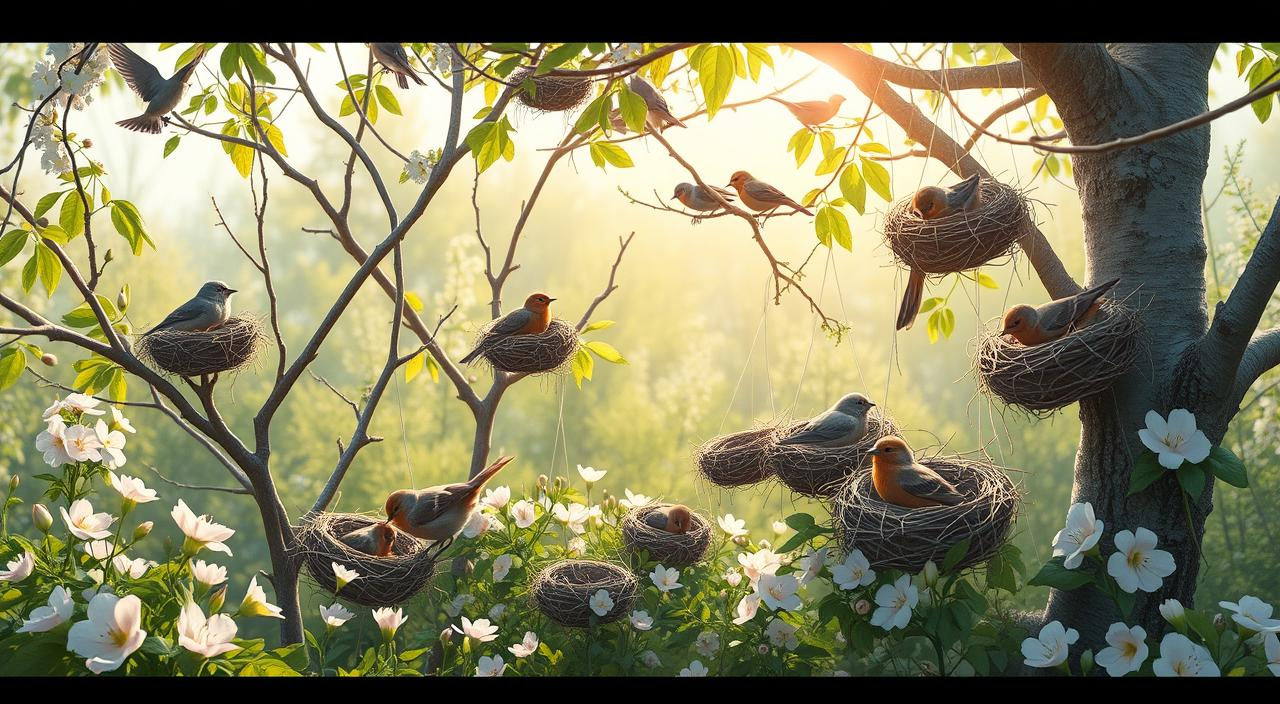
As naturalist Rachel Carson once said, “The clearest way into the Universe is through a forest wilderness.” Spring and summer bring a fresh interest in nature. This is true for many of us, and it’s even more so for the world of birds and their nesting habits.
Have you ever wondered when birds typically nest? The bird breeding season starts early in spring and goes into late summer. The busiest time is from March to July. Knowing when birds nest helps us understand their lives better and protect them.
Knowing when birds nest also helps us see why we must protect their homes. This knowledge guides us in making smart choices about outdoor activities during the birds nesting season.
The Basics of Bird Nesting Seasons
Exploring the world of birds reveals that their nesting seasons are shaped by many factors. The nesting period is a key time for birds. It’s when they build nests and lay eggs. This usually happens in the spring and summer.
Defining the Nesting Period
The nesting period is when birds build nests, lay eggs, and care for them until they hatch. It’s vital for the survival of the species. Birds have adapted to nest at the best times, often when the environment is most favorable for their young.
Why Timing Matters for Birds
For birds, timing is everything when it comes to nesting. The survival of chicks depends a lot on when the nesting season is. Birds that nest too early or too late face challenges like harsh weather or food scarcity. This can threaten the survival of their chicks.
Learning about bird nest facts and nesting habits of birds helps us understand how different species have evolved. They’ve adapted their breeding seasons to optimize their chances of success.
| Factors Influencing Nesting | Description | Impact on Nesting |
|---|---|---|
| Weather Conditions | Temperature, rainfall, and storms | Affects nest building and chick survival |
| Food Availability | Presence of insects, seeds, and fruits | Influences chick nutrition and growth |
| Predator Activity | Presence of predators like snakes, cats, and birds of prey | Impacts nest safety and chick survival |
By grasping these factors and their impact on the bird breeding season, we can admire the complex strategies birds use. These strategies help ensure their survival and success.
When Do Birds Nest Throughout the Year?

Many think birds only nest in spring and summer. But, some birds nest all year. The timing of bird nesting changes a lot because of where they live and their environment. Learning about these changes can show us how interesting bird behavior is.
Year-Round Nesting Patterns
Some birds nest all year, not just in spring and summer. Birds in warm places or with mild winters nest all year. This helps them survive in different places.
Seasonal Variations in the United States
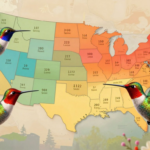
In the United States, when birds nest changes by region. The farther south you go, the longer birds nest. Southern states have birds nesting almost all year. Northern states have a shorter nesting season in spring and summer.
What Triggers Nesting Behavior
Nesting in birds is started by several things. These include daylight hours, temperature, food availability, and habitat conditions. When days get longer and it gets warmer, many birds start nesting. This mix of factors helps birds nest when it’s best for their young.
Spring Nesting: The Prime Season
When spring arrives, birds start their nesting rituals. This is a great time to see them up close. Different species build nests and lay eggs in various places.
Early Spring Nesters (March-April)
Robins and blue jays are among the first to nest, starting in March. They pick spots like tree cavities or under eaves to keep their nests safe. If you want to see nests, March and April are the best months.
Late Spring Nesters (May-June)
In May or June, birds like American goldfinches and cedar waxwings start nesting. They build their nests in open spots, like shrubs or tall grasses. The best time to find bird nests is early morning when they’re most active.
Common Spring Nesting Species
Some common spring nesters include:
- Robins
- Blue jays
- American goldfinches
- Cedar waxwings
- Mourning doves
These birds can be found in many places, from backyards to woodlands. Knowing where do birds build nests helps you spot and enjoy their nesting.
As you explore in spring, watch for these nesting birds. By knowing the bird nest building time and being aware of your surroundings, you can support these amazing creatures.
Summer Bird Nesting Behaviors
Summer is a key time for bird nesting. Many species show unique behaviors during this season. As summer goes on, birds keep nesting, with some having a second brood.
First Summer Broods (June-July)
In June and July, many birds are focused on their first broods. Birds like the American Robin and Red-winged Blackbird are often seen around their nests. The timing of egg-laying varies, but many birds lay eggs in spring and early summer, fitting into the bird breeding season.
Second Broods and Late Nesters (July-August)
As summer goes on, some birds have a second brood. July and August are key months for these late nesters. Birds like the Mourning Dove and some sparrows have multiple broods. Knowing what month do birds lay eggs helps us understand their nesting habits.
Summer Nesting Species to Watch For
Several bird species are fascinating to watch during summer nesting. The Yellow Warbler and Blue Jay are examples. Watching these birds gives us a peek into the diverse nesting habits of birds.
| Bird Species | Nesting Period | Brood Frequency |
|---|---|---|
| American Robin | April-July | 2-3 broods |
| Mourning Dove | May-September | Multiple broods |
| Yellow Warbler | May-July | 1-2 broods |
What Month Do Birds Lay Eggs?
Birds lay eggs at different times, depending on their species, climate, and where they live. This shows how birds have adapted to their environments to help their young survive.
Egg-Laying Timelines by Season
In temperate areas, spring is when many birds lay eggs. This is because the weather is better for building nests and raising chicks. March and April are key months for early nesters. May and June see a lot of nesting activity from other species. Summer, June and July, is important for the first broods. Some species have a second brood in July and August.
Incubation Periods for Common Species
The time it takes for eggs to hatch varies among birds. For example, robins incubate for about 12-14 days. Blue jays take around 17-18 days. Knowing these times helps us understand how birds breed.
From Eggs to Fledglings: The Timeline
After hatching, nestlings grow before they leave the nest. For many songbirds, this growth takes 10-14 days. Larger birds may take longer. Learning about bird nest facts like this shows the full life cycle of birds.
When you go bird-watching, knowing when birds lay eggs in your area can make it more fun. It lets you look forward to seeing different birds build their nests.
Environmental Factors That Influence Nesting Times
Environmental conditions greatly affect when birds nest. The timing of nesting is influenced by many factors.
Temperature and Weather Patterns
Temperature and weather patterns are key factors. Birds nest when the weather is good. This helps their young survive better.
Milder temperatures mean more food and less energy spent on keeping eggs warm.
Food Availability
Food availability is also critical. Birds nest when food is easy to find. This ensures they can feed their chicks well.
Adequate food supply helps in the success of nesting. It lets parents feed their young and stay energized.
Habitat Conditions
Habitat conditions matter too. Birds need safe places to nest. The quality of these habitats affects when they nest.
Impact of Climate Change on Nesting Schedules
Climate change is changing nesting times for many birds. Changes in weather are causing birds to nest earlier or later. This can disrupt ecosystems.
It’s important to understand these factors. As our environment changes, we must consider how it affects birds and their nesting habits.
Regional Differences in Bird Nesting Across the US
When birds nest in the US varies by region. The country’s geography and climate affect when birds start their nests.
Northern States Nesting Timelines
In the north, birds start nesting later. Species like the American Robin and Red-winged Blackbird begin in late March to early April. They wait for insects and leaves to grow.
Southern States Nesting Patterns
The south nests earlier, often in February or March. Birds like the Mourning Dove and Northern Cardinal nest then. They enjoy the warmer weather and plenty of food.
Coastal vs. Inland Nesting Differences
Coastal areas have a milder climate than inland. This affects when birds nest.
“The moderating influence of the ocean on coastal climates can lead to variations in nesting patterns compared to inland regions.”
For example, coastal birds might nest earlier or later than inland birds. This is because of temperature and food differences.
| Region | Typical Nesting Start | Common Nesting Species |
|---|---|---|
| Northern States | Late March to Early April | American Robin, Red-winged Blackbird |
| Southern States | February to March | Mourning Dove, Northern Cardinal |
| Coastal Regions | Varies, often earlier or later than inland | Osprey, Clapper Rail |
Where Do Birds Build Nests During Different Seasons
Birds build nests in many places, depending on the season and their type. The right spot is key for their survival. It must protect them from predators and bad weather. Knowing where birds nest helps us understand their behavior and how they live.
Tree and Shrub Nesting Locations
Many birds like to nest in trees and shrubs. These places offer shelter and support. Birds like robins and sparrows often choose these spots.
Ground and Cavity Nesting Sites
Some birds, like killdeer and sandpipers, nest on the ground. They like open areas or low plants. Others, like woodpeckers and bluebirds, nest in tree cavities or boxes. These spots keep them safe from predators and harsh weather.
Human Structure Nesting Preferences
Birds are now nesting in human-made places too. They might build on ledges, under eaves, or in boxes for them. Swallows and phoebes are examples of birds that nest in human structures.
How to Support Nesting Birds in Your Yard
You can make your yard a haven for nesting birds with a few easy steps. By creating a bird-friendly space, you can attract many bird species. This helps them during their nesting season.
Bird-Friendly Landscaping Tips
To help nesting birds, add native plants, shrubs, and trees to your yard. These plants offer shelter, food, and nesting sites. For instance, dense shrubs like dogwood or hawthorn are perfect for nesting.
- Plant native vegetation.
- Avoid using pesticides, which can harm birds and other wildlife.
- Maintain a diverse landscape with trees, shrubs, and flowers.
Nesting Boxes and Materials
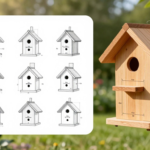
Installing nesting boxes is a great way to attract birds. Different birds like different boxes, so have a variety.
Tip:Use wood for nesting boxes to avoid overheating.
Keeping Nesting Birds Safe from Predators
It’s important to protect nesting birds from predators. Place nesting boxes in safe spots and use predator guards.
Feeding Considerations During Nesting Season
Feeding birds can be fun, but choose the right food during nesting season. High-protein foods like mealworms are great for nesting birds.
| Food Type | Benefits |
|---|---|
| Mealworms | High in protein, supports nesting birds. |
| Nectar | Provides energy for birds. |
Conclusion: Enjoying and Protecting Nesting Birds
Learning about bird nesting behaviors is key to enjoying and protecting these birds. Knowing what affects their nesting times helps a lot. This includes temperature, food, and habitat conditions.
Creating a bird-friendly yard is easy and helps a lot. Use native plants, offer nesting boxes, and keep predators away. This way, you support local bird populations.
Enjoying bird nesting season means more than just watching them. It’s about taking steps to protect them too. Being aware and making smart choices helps these amazing creatures.
Protecting nesting birds is a team effort, and every little bit helps. As you learn more about bird nesting, you can encourage others to help too.
FAQ
Q: When do birds typically start nesting?
A: Birds usually start nesting in the spring. Some species begin as early as March or April. Others may start later in May or June.
Q: What triggers birds to start nesting?
A: Several factors trigger bird nesting. These include daylight hours, temperature, food availability, and habitat conditions.
Q: How long does the bird nesting season last?
A: The bird nesting season can last several months. It usually goes from spring to summer. Some species have multiple broods.
Q: What month do most birds lay eggs?
A: The month when most birds lay eggs varies. But in many parts of the United States, May and June are peak months.
Q: How long does it take for birds to build nests?
A: The time it takes for birds to build nests varies. It can range from a few days to several weeks. This depends on the species and nest complexity.
Q: Where do birds typically build their nests?
A: Birds build their nests in various locations. They nest in trees, shrubs, on the ground, in cavities, and even on human-made structures.
Q: What are some common bird species that nest in the spring?
A: Common spring nesting species include robins, blue jays, red-winged blackbirds, and American goldfinches. There are many others too.
Q: How can I support nesting birds in my yard?
A: You can support nesting birds by creating bird-friendly landscaping. Install nesting boxes and keep your yard safe from predators.
Q: How do environmental factors like climate change affect bird nesting times?
A: Climate change can alter temperature and weather patterns. This disrupts the timing of breeding and nesting behaviors.
Q: Are there regional differences in bird nesting across the US?
A: Yes, there are significant regional differences in bird nesting across the US. Nesting timelines vary between northern and southern states. Coastal and inland areas also have differences.
Q: What are some tips for finding bird nests?
A: To find bird nests, look for areas with dense vegetation. Listen for bird calls and songs. Be patient, as some species are secretive about their nesting sites.